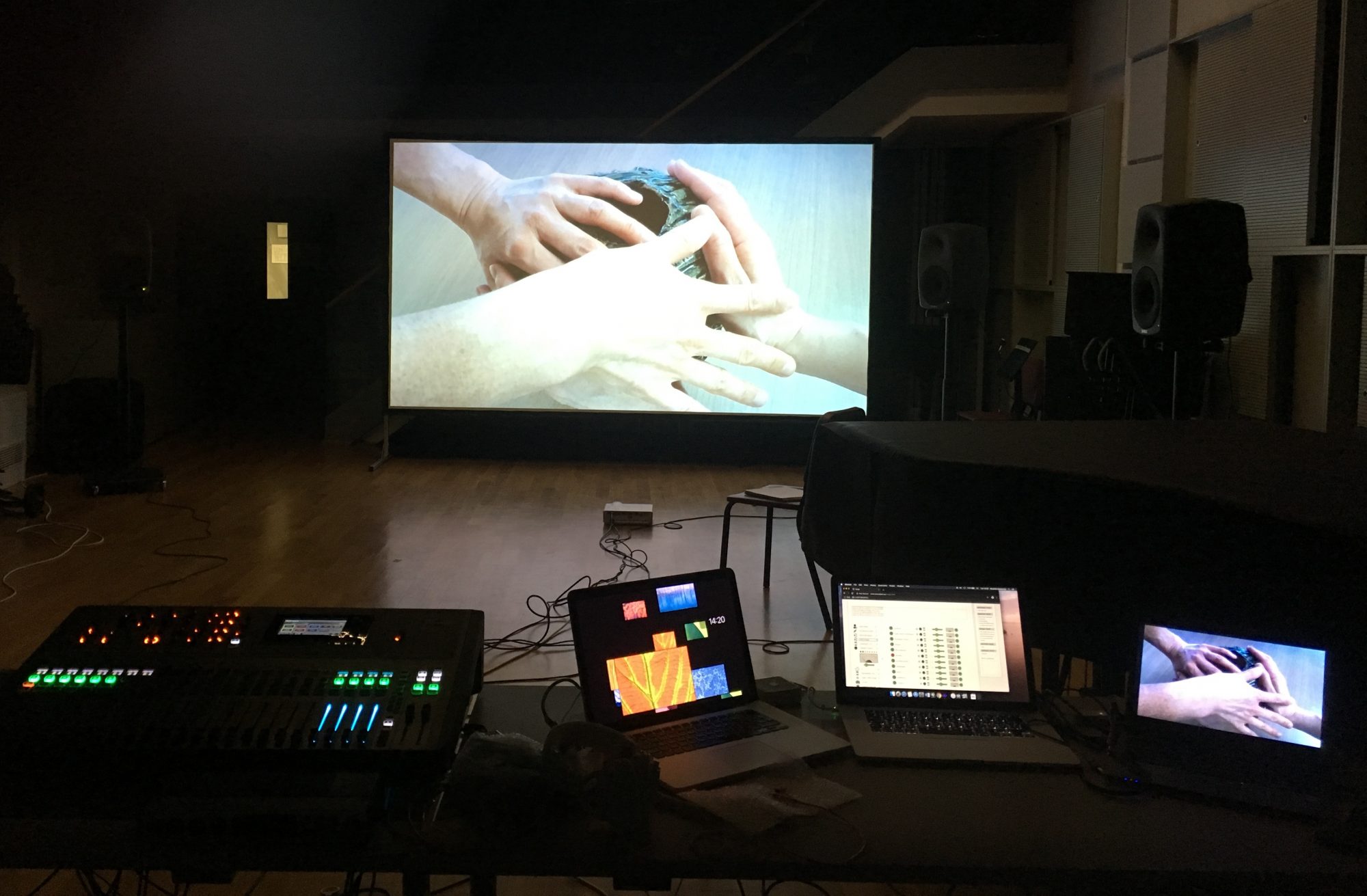
Ethernet Orchestra (EO) is an internet-based musical ensemble that explores ‘intercultural improvisation’ through networked musical performances on the web. We did our first collaboration with EO in 2019 (at Halfback Books & Records store in Dee Why, Sydney), and were looking forward to EO releasing their new album aptly named ‘Oceans between Sound‘ on the Chilean netlabel Pueblo Nuevo which happened in 2020. Members of the Ethernet Orchestra did all the recordings for the album telematically (over a series of improvisation sessions), whilst also capturing the uncompressed single stems locally. These stems were then sent over to Roger Mills (the founder of EO) who did the editing and mixing in Sydney, Australia, who then sent it over to Chris Vine so he can do the mastering in Brazil and send the mastered album to Pueblo Nuevo, who are based in Chile. This was before the pandemic even got going!
In 2021, EO invited a selected group of artists (DJ’s, sound artists and musicians) to creatively reinterpret the tracks from the album, so these remixes can be featured on the EO 2022 release called ‘Oceans Reimagined‘.
Nela was already a HUGE fan of the ‘Oceans between Sound‘ album (which became a regular playlist for her daily yoga practice!), so when FLO got the invite to contribute to ‘Oceans Reimagined‘ it was super easy for her to convince Magdalena Chudy and Maria Mannone to jump on board and say YES!!! Choosing a track to remix, on the other hand, was not that easy. Firstly, they are all amazing (check for yourself here) and to think one can have anything further to add (musically) seemed a bit far-fetched. However, there was one track in particular (Selenge), which was an improvisation by Roger Mills, Bukhchuluun Ganburged (Mongolian throat singer) and Aref Toloei (Iranian musician) and used mooring khuur, throat singing and tar, that seemed to ‘strike a chord’!
The idea of ‘Oceans Reimagined’ was to engage with the original album tracks through geographically distributed collaboration, so it made sense for FLO to do the remix entirely telematically. This way of working become the ‘new normal’ for FLO since the start of the pandemic, so it was just a matter of working out the ‘technology’ part!
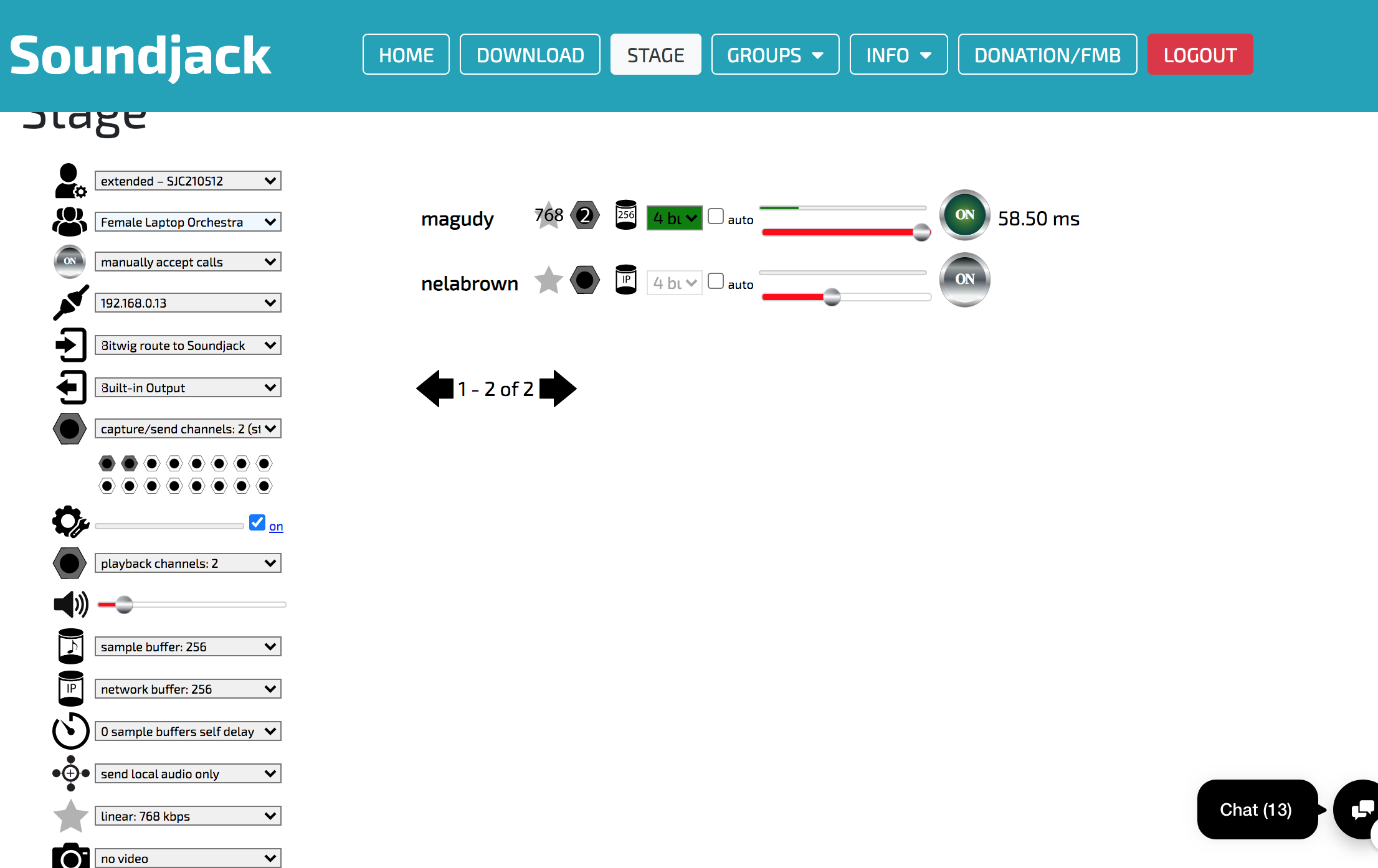
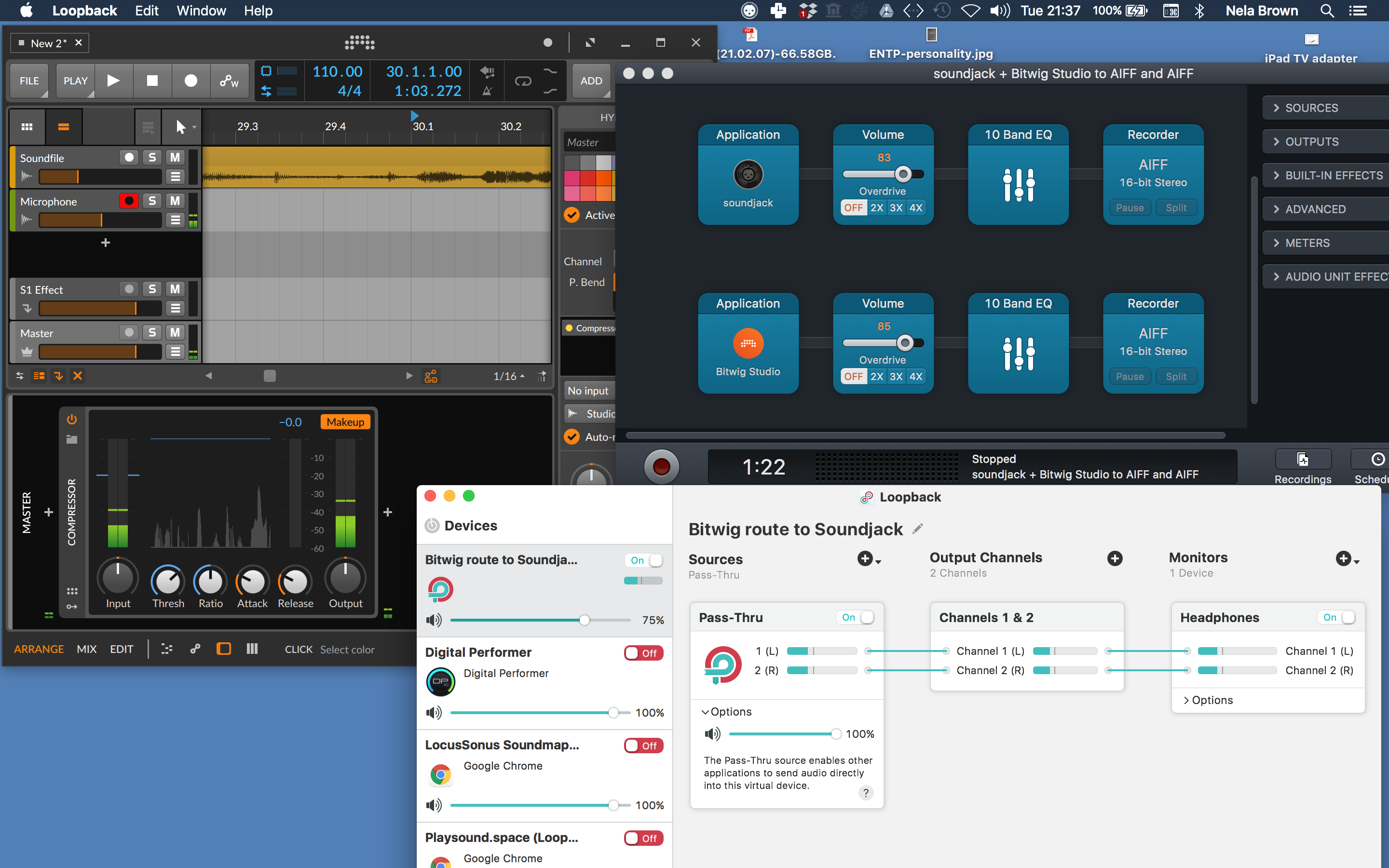
Having listened to the track, we decided we would do the remix by ‘extending’ the already existing improvisational structure and adding further instrumentation through telematic improvisation between Zadar (Croatia), Warsaw (Poland) and Palermo (Italy). We experimented using the Soundjack platform (as it proved to be more reliable in terms of latency and sound quality in our past performance) and also did some testing routing the audio between applications via Loopback. However, SonoBus ended up being more useful for this type of project due to all the built-in recording capabilities.
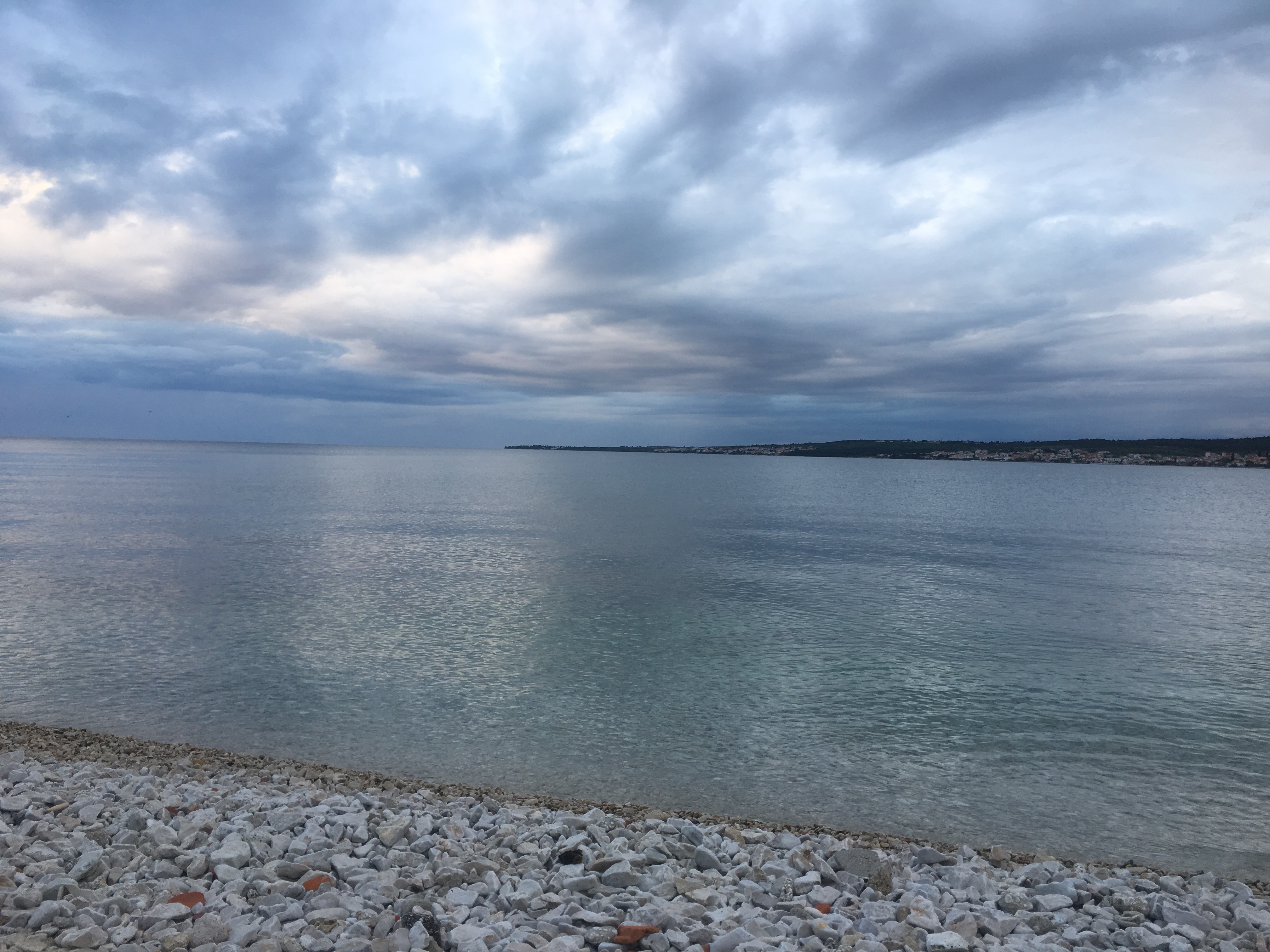
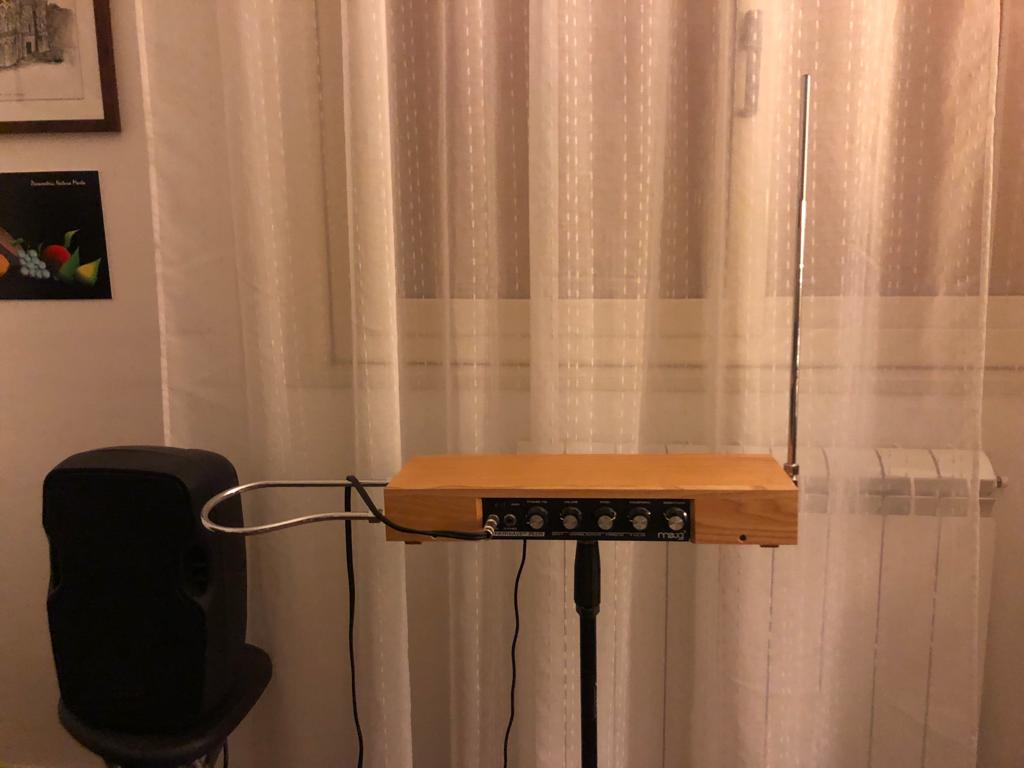
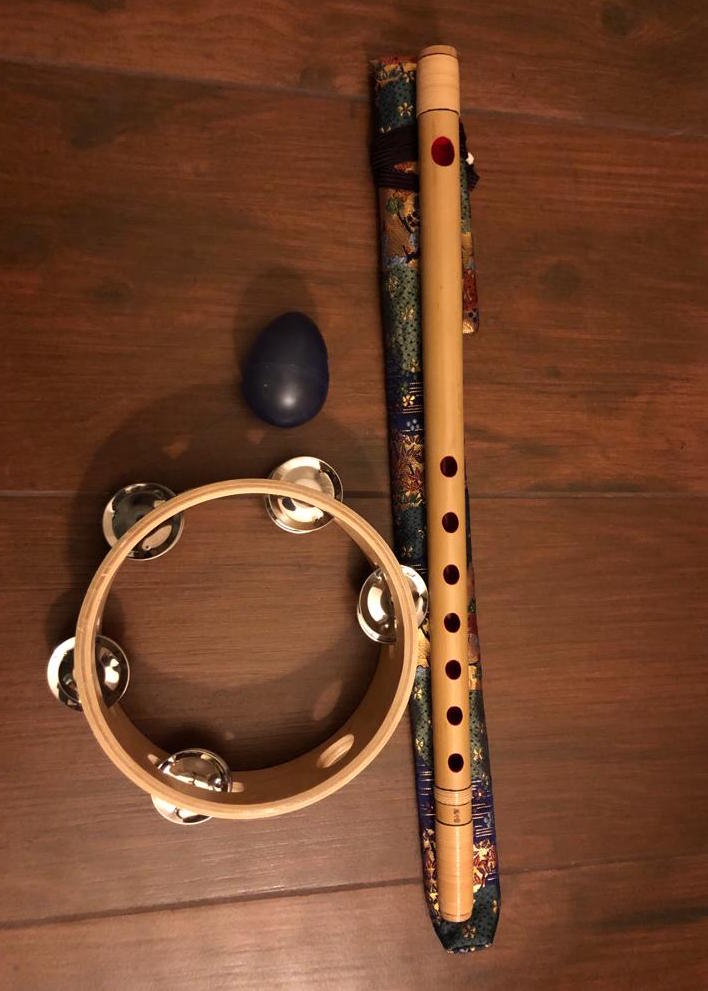
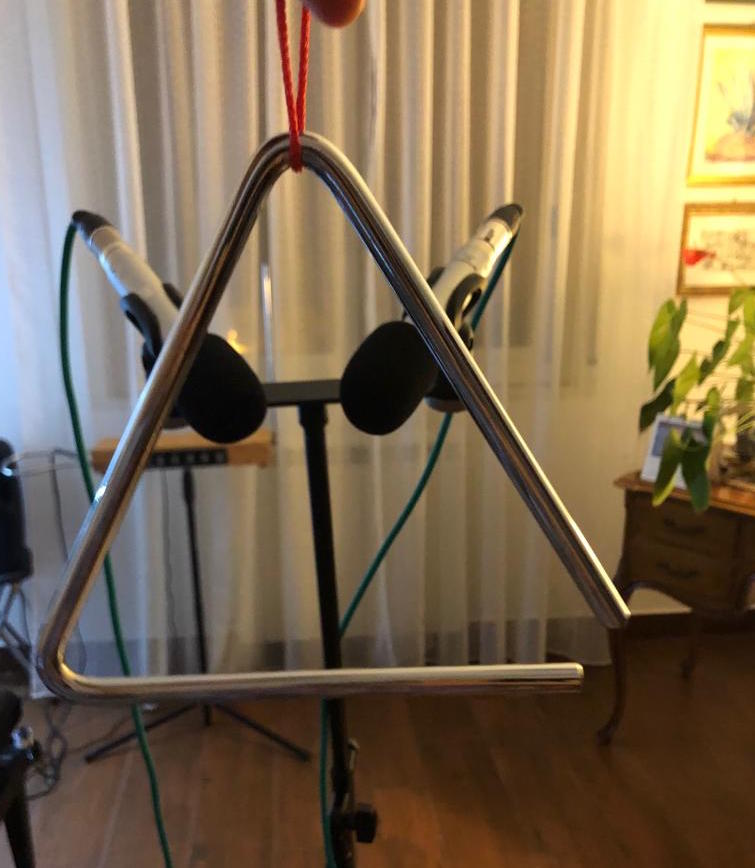
In the midst of our fascination with the sounds produced by these awesome traditional instruments and Bukhu’s amazing throat singing, we completely forgot the fact that western tuning works differently. To avoid going down the route of digital signal processing (ie. pitch-shifting/time-stretching) and possibly ruining the original recording, we decided to adapt! This involved using instrumentation like soundscapes (captured by Nela in Zadar, Croatia), de-tuned cello improvisations (streamed by Magda from Warsaw, Poland), and voice, Shinobue, Theremin, Shaker, Tambourine and Triangle (streamed by Maria from Palermo, Italy since de-tuning her amazing acoustic piano was not an option 🙂
Whilst discussing some parallels between eastern and western folk music traditions, Magda (who was doing an EU funded research project research looking into archival of Polish music at the time), showed Nela and Maria this super web-based app called Bebnista (which means ‘drummer’) developed by the amazingly talented Polish musician and programmer Łukasz Nizik.
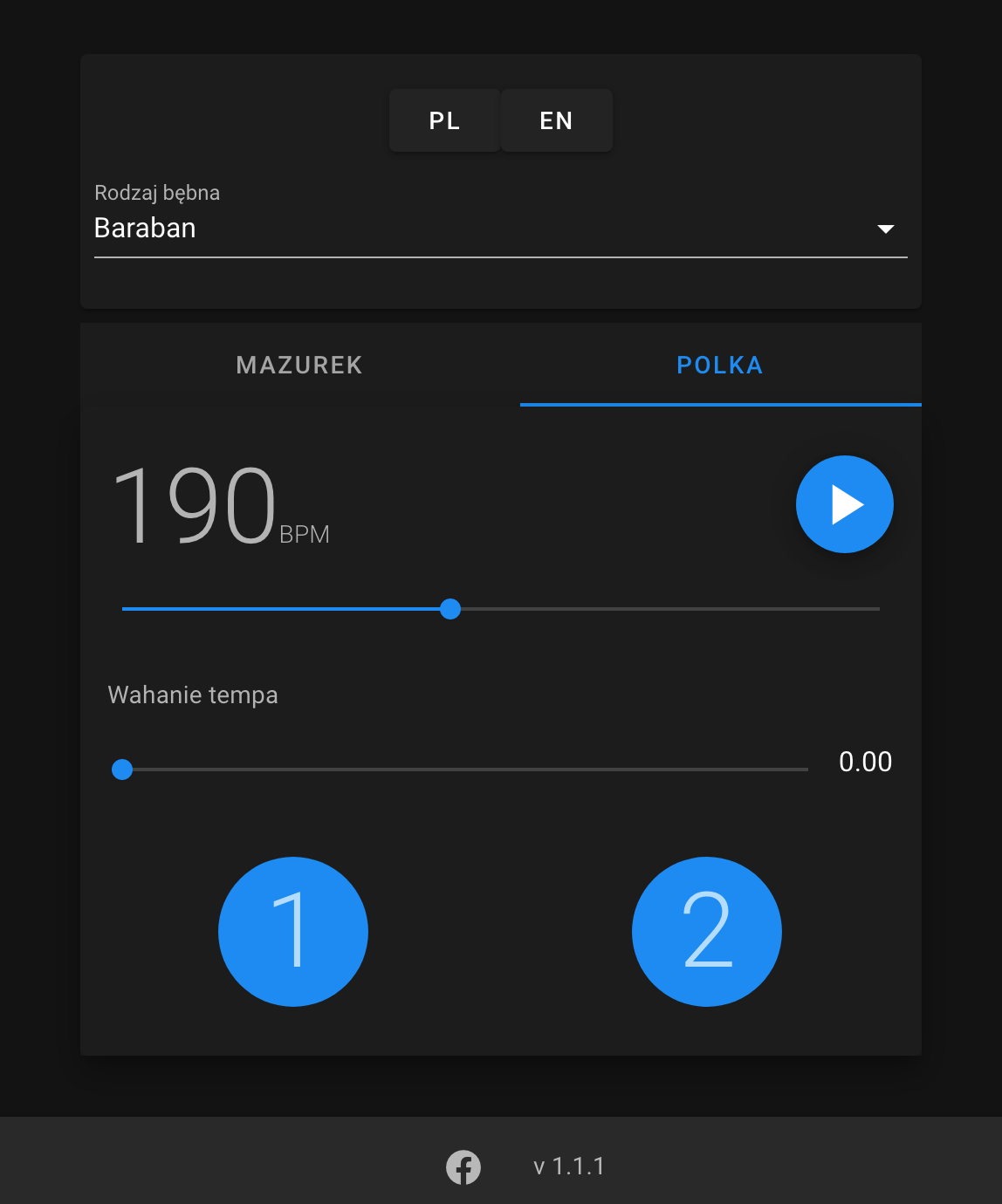
As we never used samples of Baraban and Beben (types of drums used in Polish folk music) playing Mazurek and Polka drum patterns, we decided to do a bit of experimenting with Podbicie ( second beat shift) and Wahanie tempa (tempo fluctuation). Whoa! Sooo much fun!!!
Nela recorded some samples and gave them to Maria who then created some compositional ideas using Bitwig. Sharing these ideas was a challenge until we worked out how Bitwig manages session files 🙂
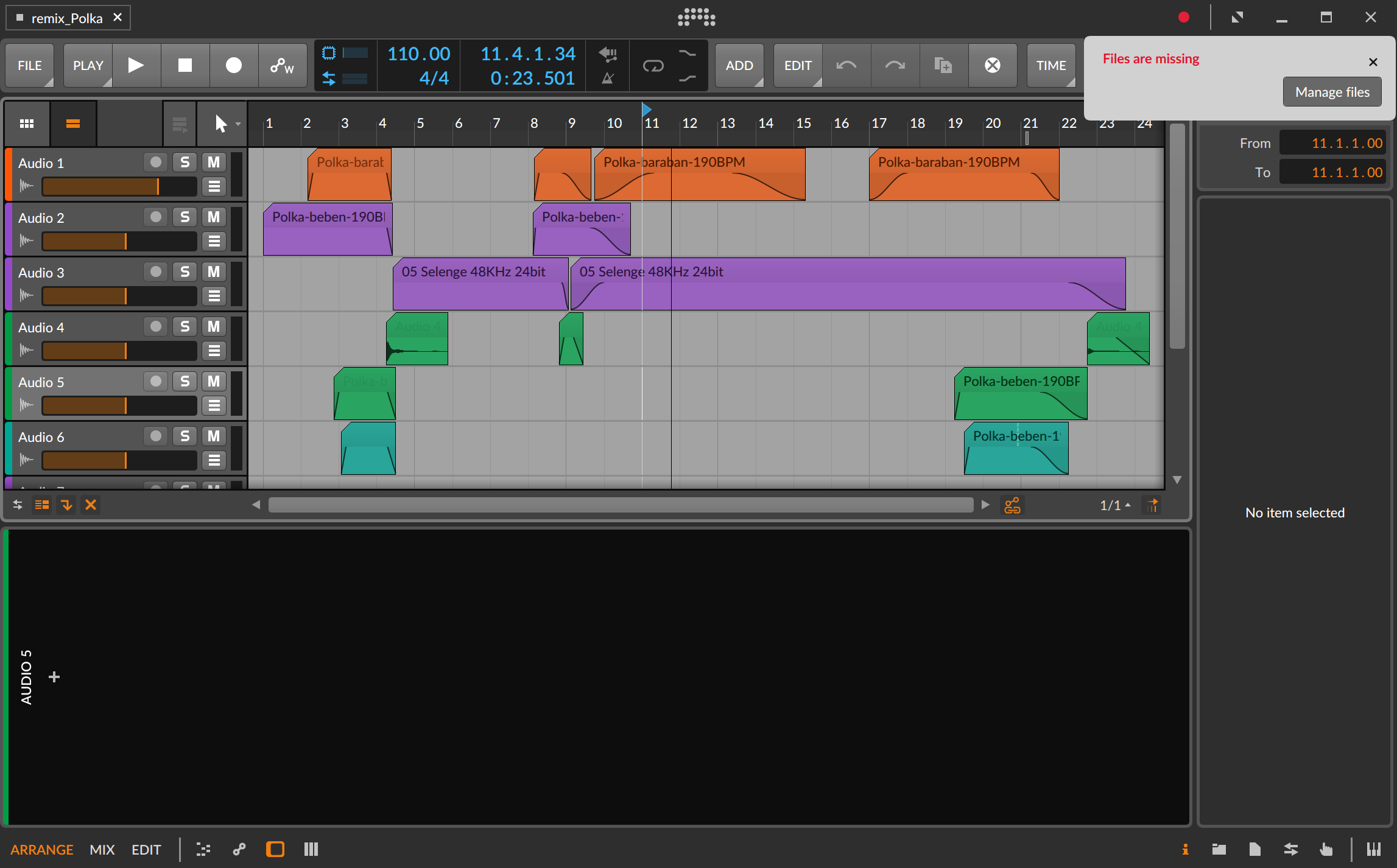
We decided Polka drum pattern played on Baraban drum fits the general mood and tempo of Selenge the best so Nela ‘tempo matched’ and sampled Baraban from Bebnista app, using Audio Hijack software (which we got thanks to the endorsement from BCS Women, a few months earlier), so this too could be included in the final ‘remix’.
We did three improvisation sessions between Zadar, Warsaw and Palermo, using Selenge as a ‘sonic guide’. To balance latency, sound quality and functionality, we recorded separate performance stems locally with Bitwig and Ableton Live, as well as recording separate stems and the full mix using SonoBus (to use as reference when doing the final mix).
Nela then edited and ‘re-composed’ this musical material with Digital Perfomer in Croatia, before sending the final mix to Roger who (besides doing concept and curation for the album) did the final production touches in Australia. As per usual, Roger then sent all the remixes to Brazil so Chris Vine can do the mastering and pass it on to folks from Pueblo Nuevo label.
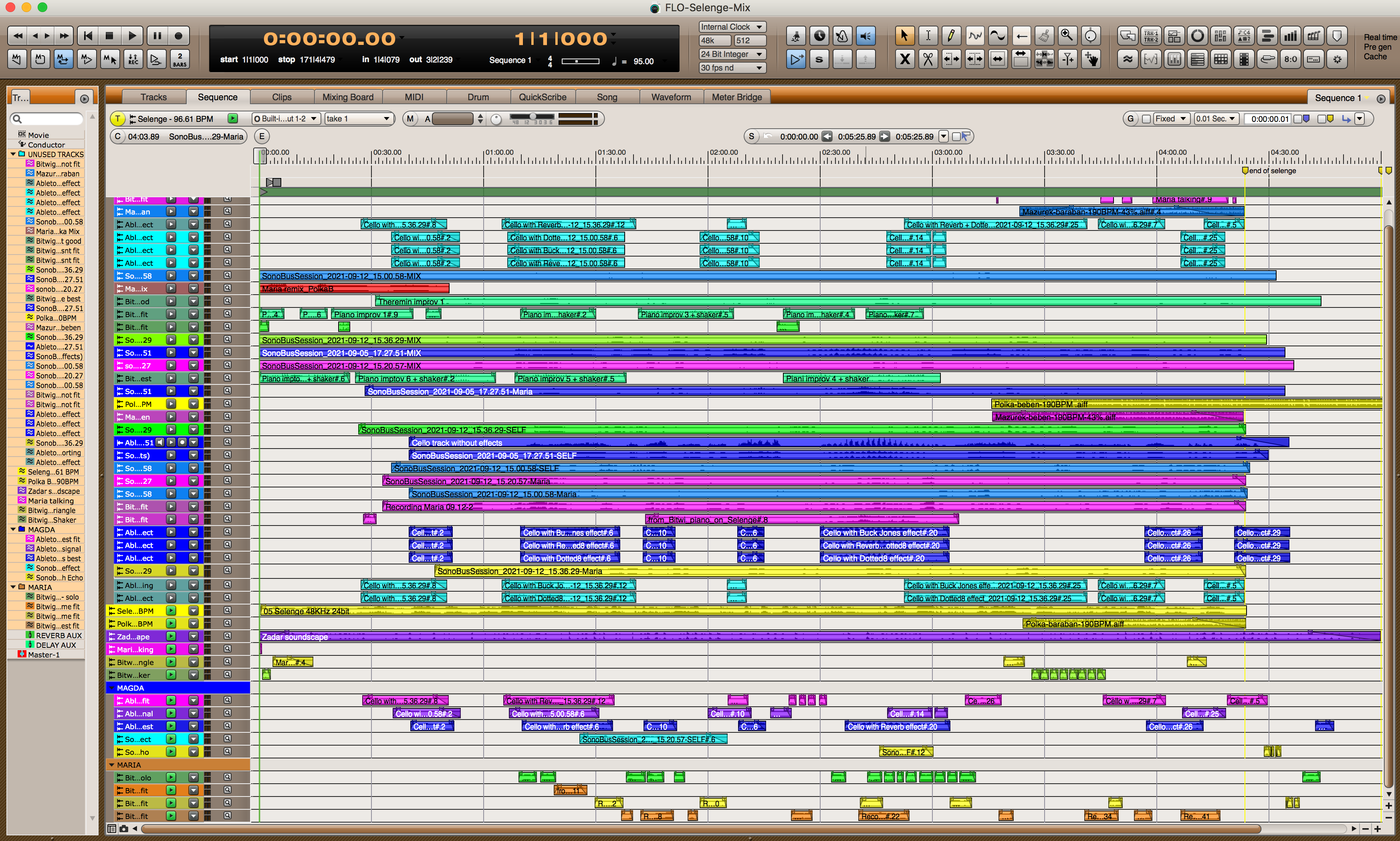
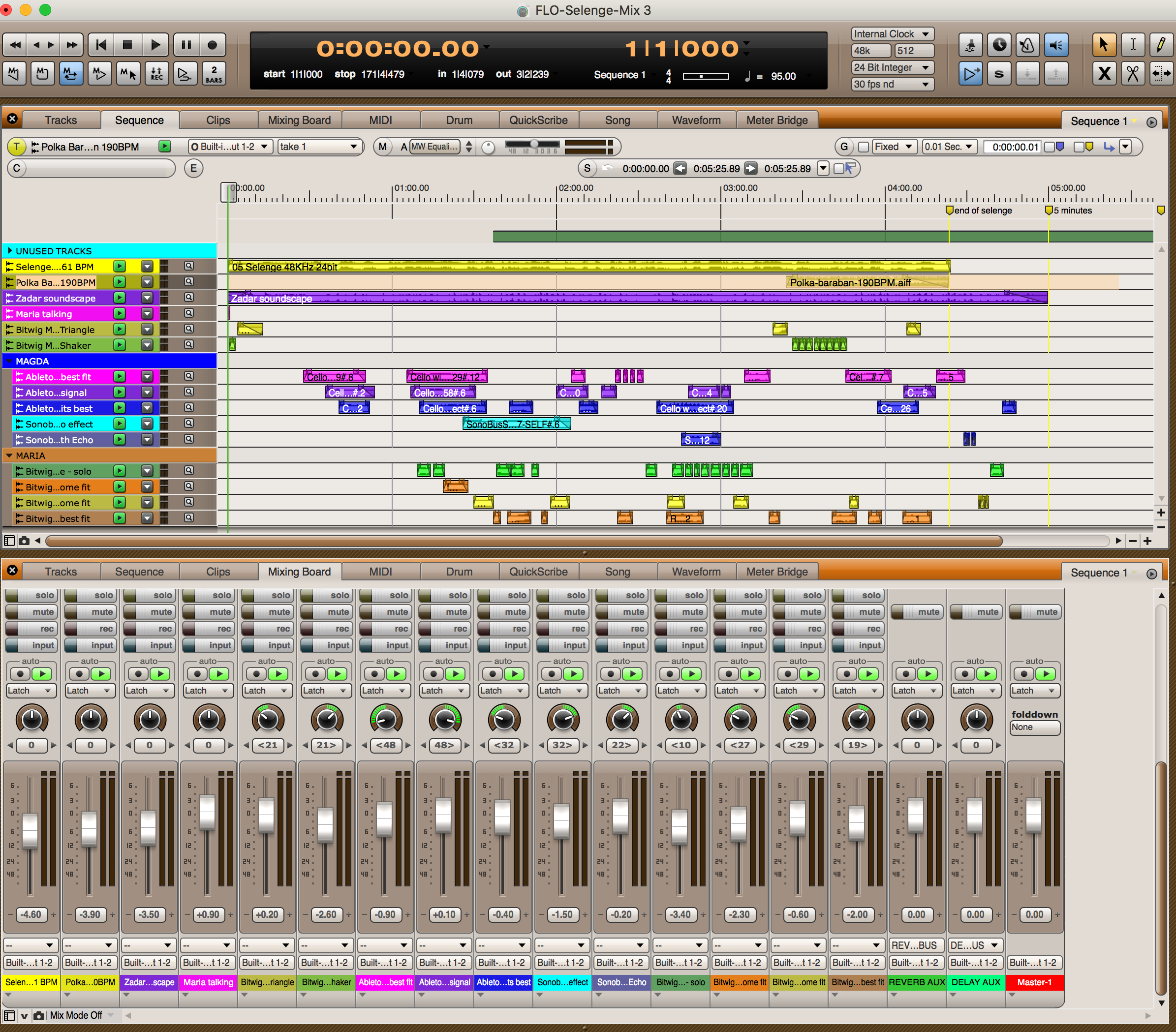
The new track, simply titled ‘Selenge (Telematic Remix) by FLO‘, can be downloaded together with the rest of the Oceans Reimagined tracks from Pueblo Nuevo’s website: https://pueblonuevo.cl/catalogo/oceans-reimagined/.
You can also listen to it on the FLO SoundCloud channel 🙂
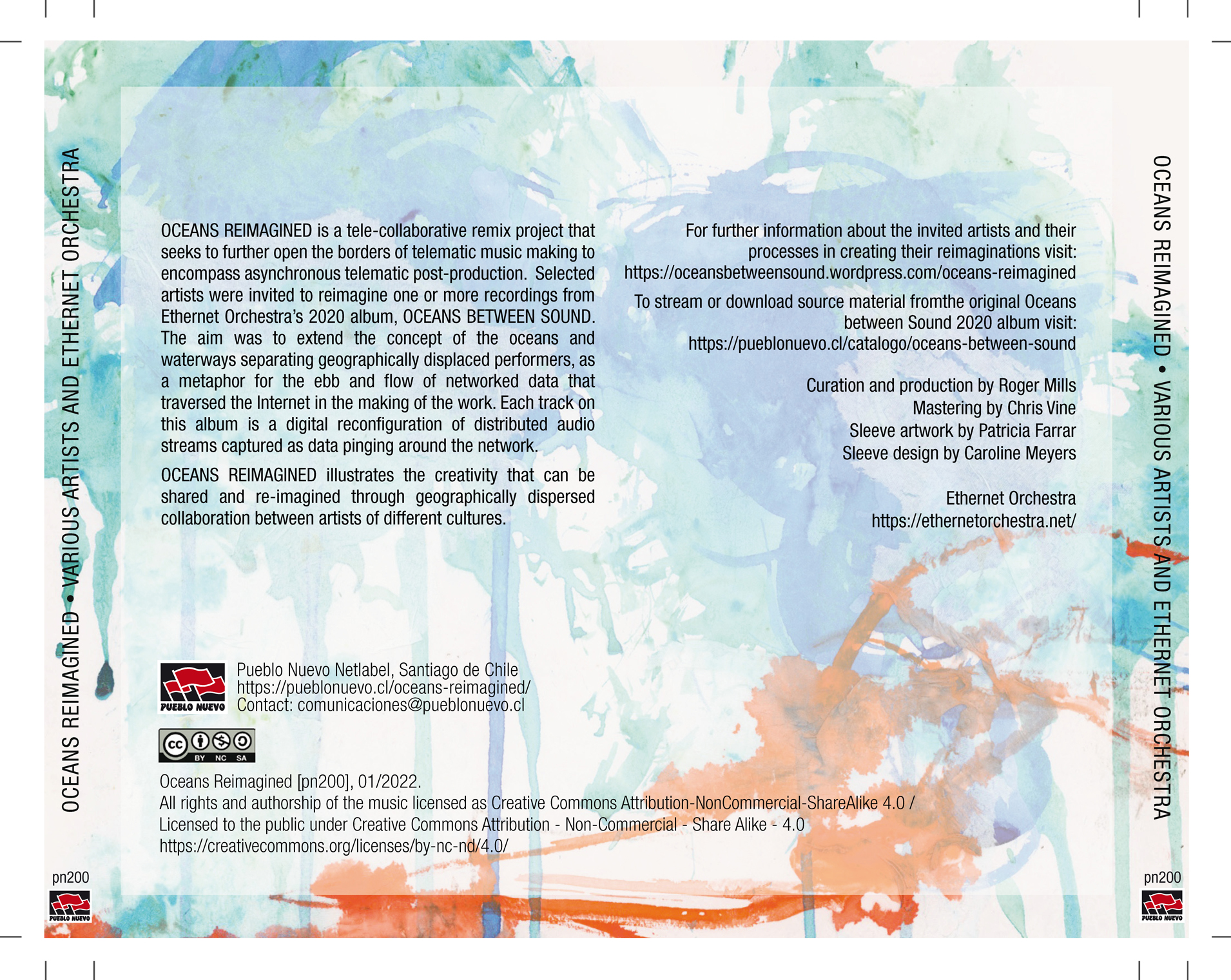
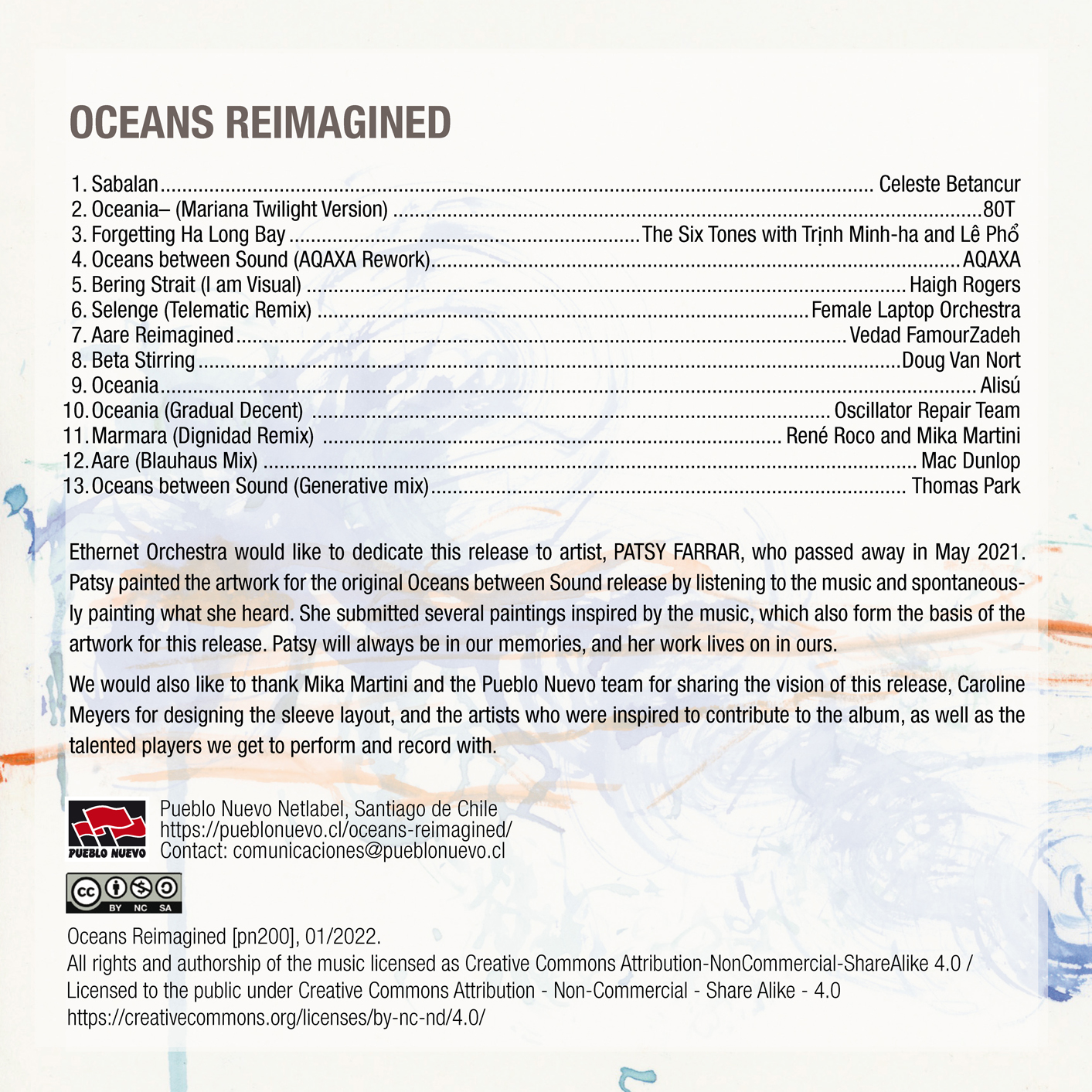
Many of the artists (including FLO) wrote some information about their approach to reimagining the works, which can be found here: https://oceansbetweensound.wordpress.com/oceans-reimagined
Maria also made a lovely sketch depicting the finished composition (just to recap, she has a degree in Physics and a PhD in Compostion, she plays dozens of instruments, composes music, sings beautifully, speaks 3 languages fluently, writes books, is an expert in rowing and can draw beautifully too??? Now that’s what you call a SUPERWOMAN!!!)
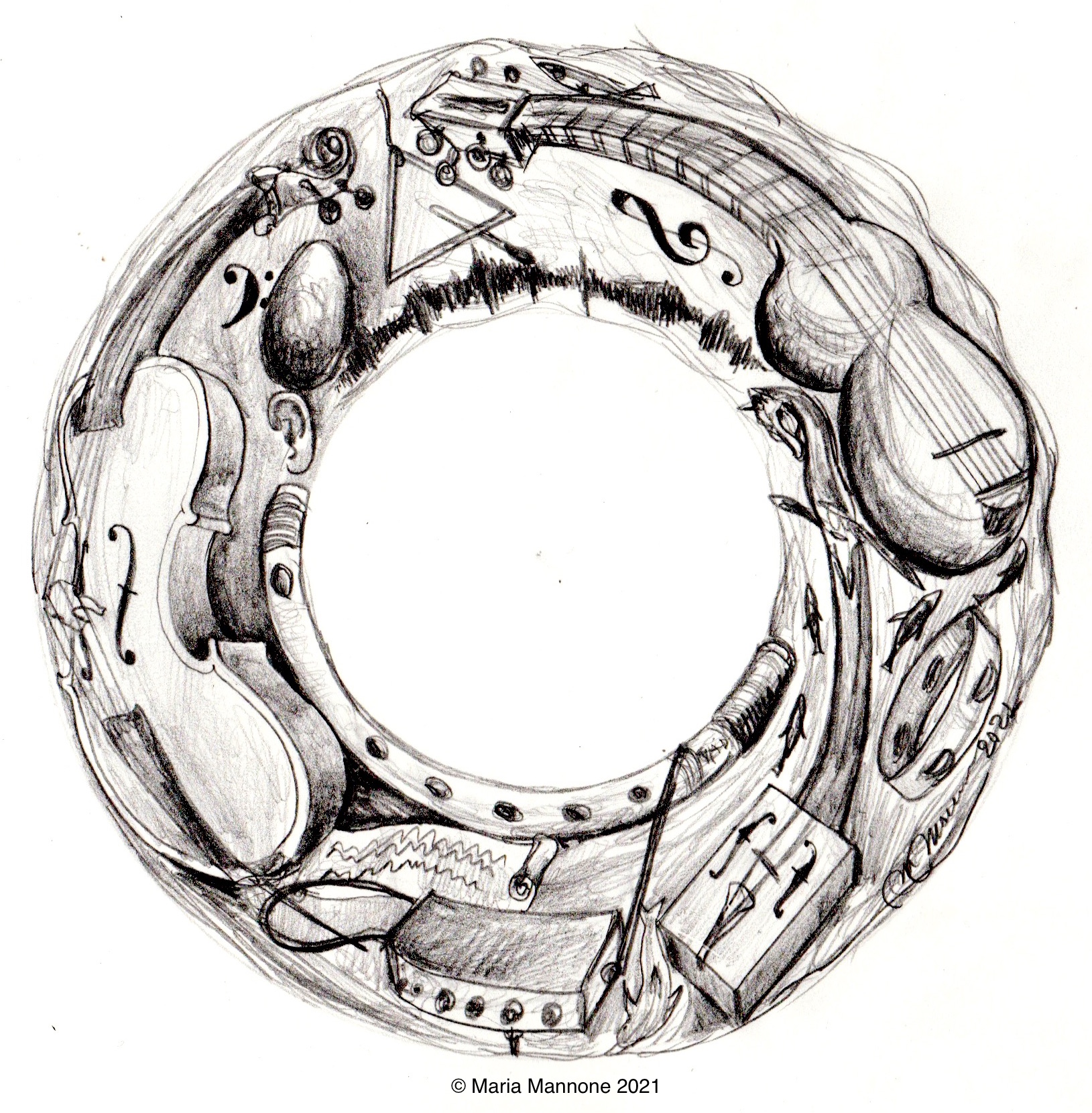
The amount of globetrotting ‘Selenge (Telematic Remix) by FLO‘ track has done is pretty astonishing (taking into account the global pandemic travel restrictions at the time!) but this is the beauty of telematic music collaboration, it knows no boundaries!!!
We love it and will continue doing it 🙂
A BIG THANK you to the following peeps and organisations who supported the making of Selenge (Telematic Remix) by FLO:
- Roger Mills, for inviting us to contribute to the Oceans Reimagined album and for expertly mastering our track 🙂
- Łukasz Nizik, for making the awesome Bebnista app (bebnista means drums in Polish!)
- BCS Women, for helping us get the licences for Rogue Amoeba’s Loopback and Audio Hijack software
- Our gear sponsors: Bitwig Studio, Audio-Technica, RØDE Microphones, PreSonus, Netgear and BCSWomen





 FLO
FLO 