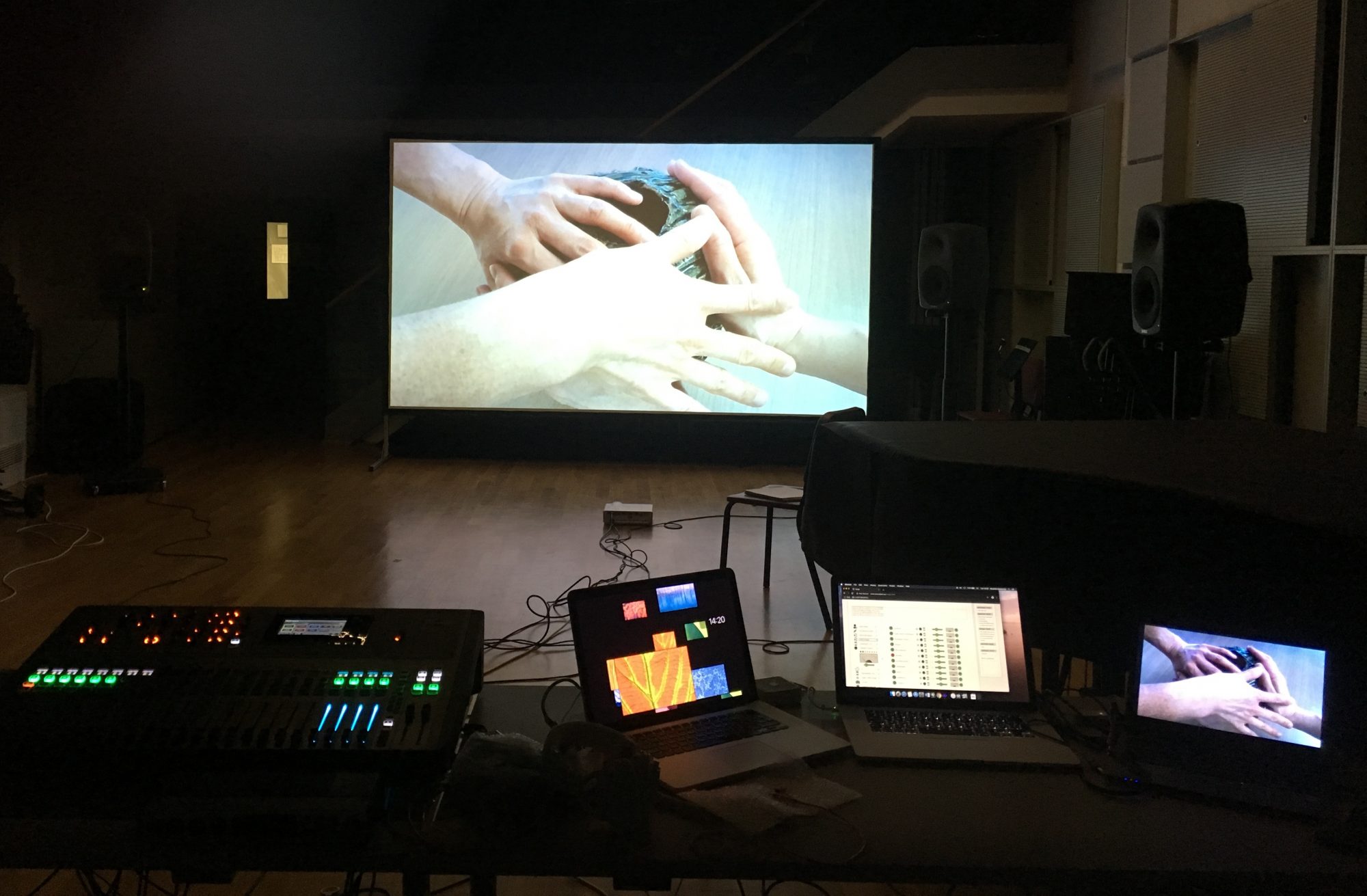
Following our collaboration with the Zagreb Flute Ensemble (ZAF), we started planning a new performance with the WiMT (Women in Music Tech), an organization co-founded by Anna Xambó and Léa Ikkache at Georgia Tech Center for Music Technology.
Ximena was unable to join us, as having been awarded a prestigious Marie Skłodowska Curie Individual Fellowship (huge congrats!!!), she was in the middle of relocating from CRiSAP at UAL to Department of Musicology and the University of Oslo, to start working on her new project INTIMAL and start a new life in Norway 🙂
As we said (a temporary) farewell to Ximena, we welcomed new members to Female Laptop Orchestra: Sonia Wilkie (our colleague and QMUL alumni now based in Melbourne, Australia), Tuna Pase (an electronic music composer and improviser based in Istanbul, Turkey, who was introduced to us by lovely Rani Dar, who we met when we launched the Female Laptop Orchestra project at MTF Paris in 2014), Ariane Stolfi (who heard our performance at CMMR2016 in Brazil and decided to visit QMUL for a year to collaborate with the folks there, whilst working on her PhD and playing with FLO), and Franziska Schroeder, a musician, an improviser and a lecturer at the Sonic Arts Research Centre, based at the Queen’s University Belfast in Northern Ireland.
Franziska, Ariane and Anna were planning to present research at the Audio Mostly 2017, an interdisciplinary conference on design and experience of interaction with sound (which was organized in conjunction with Web Audio Conference 2017), so we decided to send a proposal to perform Transmusicking I as part of the Audio Mostly 2017 music programme.
As we were discussing the technical challenges of bringing 14 people together for the performance of Transmusicking I, Franziska mentioned the interactive audio streaming mobile app LiveSHOUT (developed as part of AHRC funded research project, led by herself and Prof Pedro Rebelo) as a possible tool the remote performers could use to send their audio streams from different global locations into the performance space.
LiveSHOUT interfaces with the Locus Sonus Soundmap, which has been established in 2006 as an online worldwide open microphone network by the folks at the Locus Sonus research group based at École supérieure d’art in Aix-en-Provence, France. And it’s amazing!!!
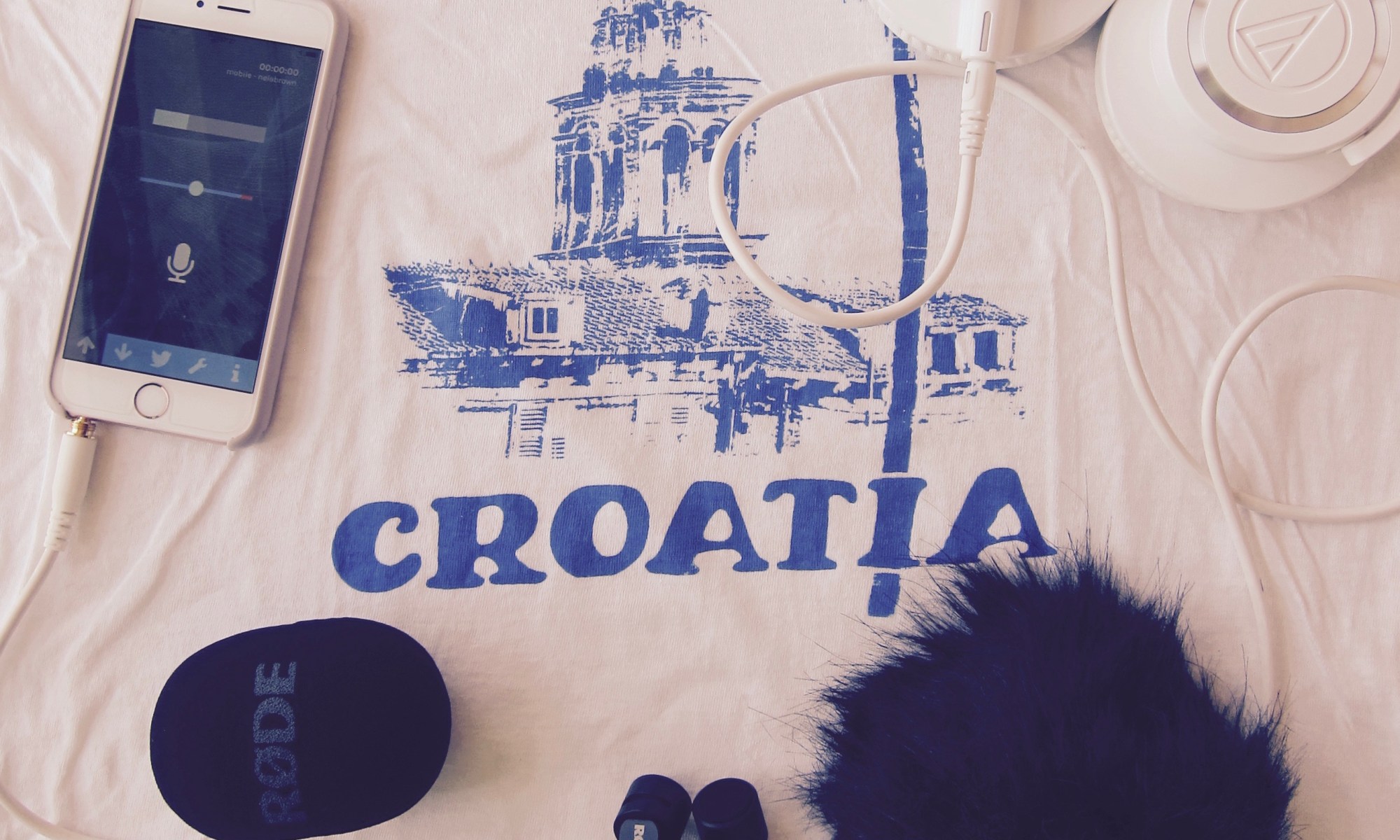
We reached out to RØDE Microphones, who kindly agreed to sponsor us with microphones we could use to record local soundscapes (NTG4+) as well as stream performances from remote locations using LiveSHOUT app (RØDE i-XY).
To make our ‘pre-performance phase’ more productive, we set-up Slack (to connect everyone to everyone), started assembling various documents into our Google Drive and set up Skype calls to discuss technical, artistic and location challenges of the performance using 4 co-located and 10 distributed performers and co-write a proposal for the performance of Transmusicking I.
And then … our proposal got rejected by the Audio Mostly 2017 Music Programme Committee! Whaaaaaa???
So, we decided to revise our proposal and write a rebuttal (see below) which Magda emailed to the Music Programme Chair
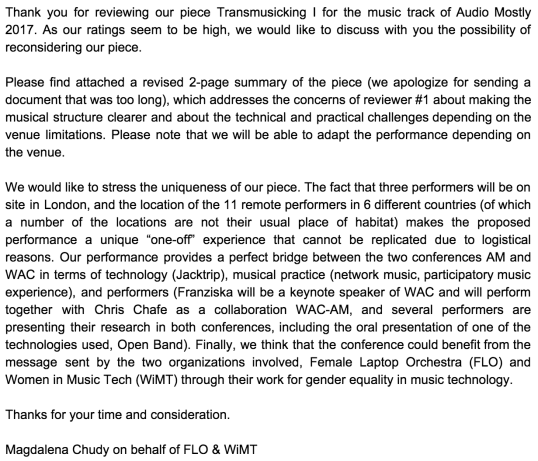
Following this, Anna and Magda had a Skype call with the Music Programme Chair and found out that the revised proposal has been reconsidered (ie accepted!) Hooorrey!!!
We also learned that the reason for the initial rejection was based solely on our technical requirements, which the conference organizers felt would be difficult to meet, considering the available facilities in the venues booked for the concerts. When it comes to proposing a telematic performance, which requires the opening of the network ports and tinkering with the concert venue firewall, this sort of response is usually expected!
Because we have shown the conference organizers that we can be flexible in terms of technical requirements, set-up and rehearsal time and made a point of the value of the performance in terms of fitting in with the conference ‘theme’ as well as championing the work of FLO and WiMT, it was all sorted in the end!
Memo to self, NEVER GIVE UP!
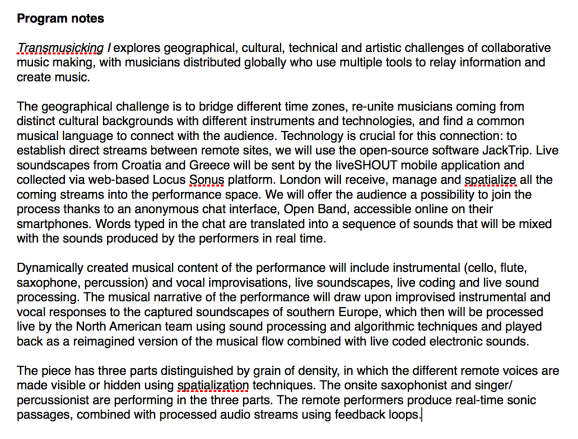
The final version of the program notes looked like this …
 Testing
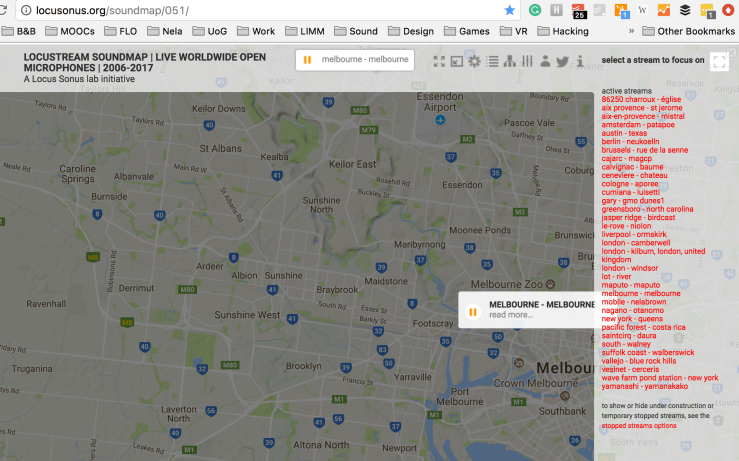
In the weeks leading to the performance, we did a lot of planning …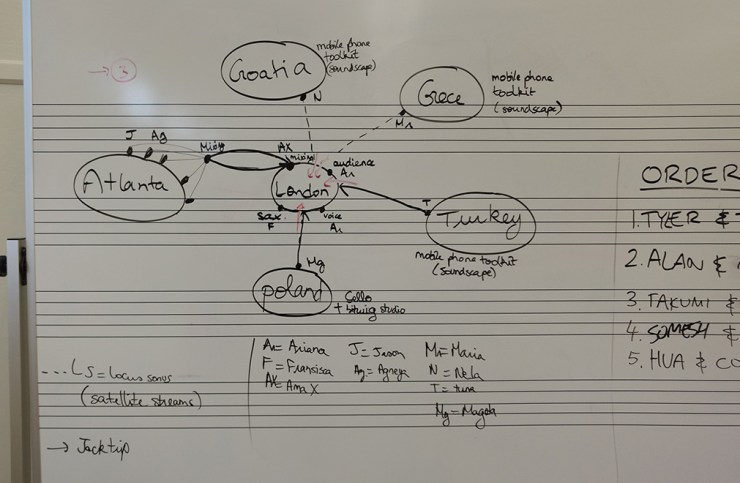 … and a lot of testing of remote audio streams coming via Locus Sonus Soundmap from Melbourne, Australia (Sonia) …
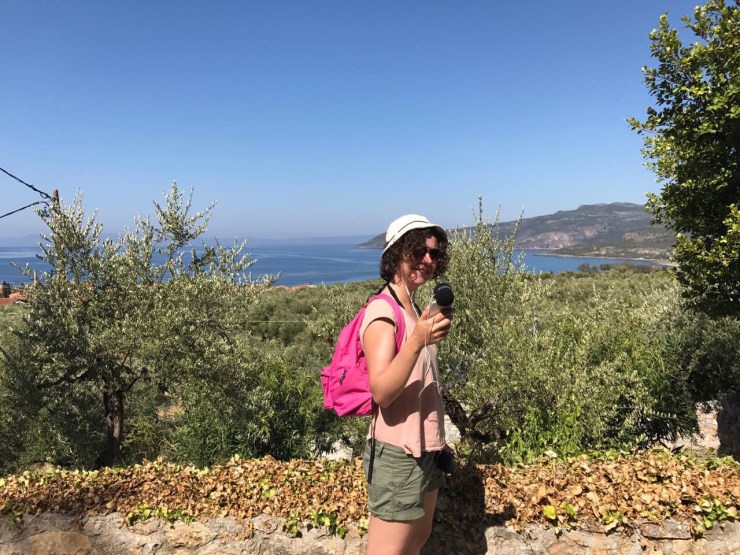
 … the Island of Crete, Greece (Maria)…
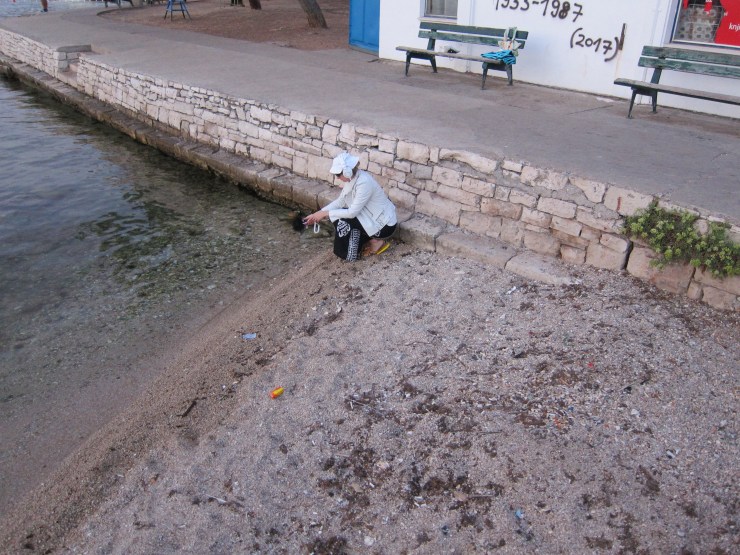
 …the Island of Korcula, Croatia (Nela) …
 … Istanbul, Turkey (Tuna) …
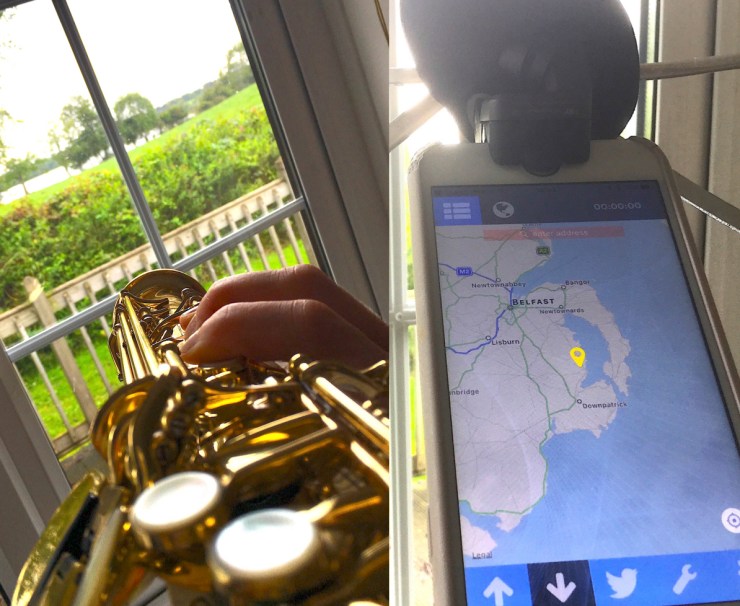
 … Belfast, Northern Ireland (Franziska) …
 … as well as Jason, Somesh, Jyoti, Léa and Taka (Atlanta, US)!
We also tested Jack Trip set-up, used by Magda to stream her cello improvisations from Warsaw, Poland! Anna expertly built an Audio Web API interface to gather all the remote streams and we used Slack to communicate what is going on during the testing …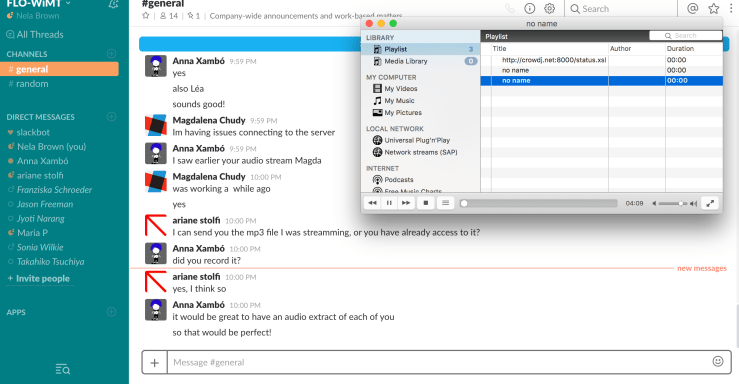
We also used Skype to discuss software and hardware tools, instrumentation, improvisation and agree on the performance score (there has to be one of those so co-located and remote performers know what is going on!)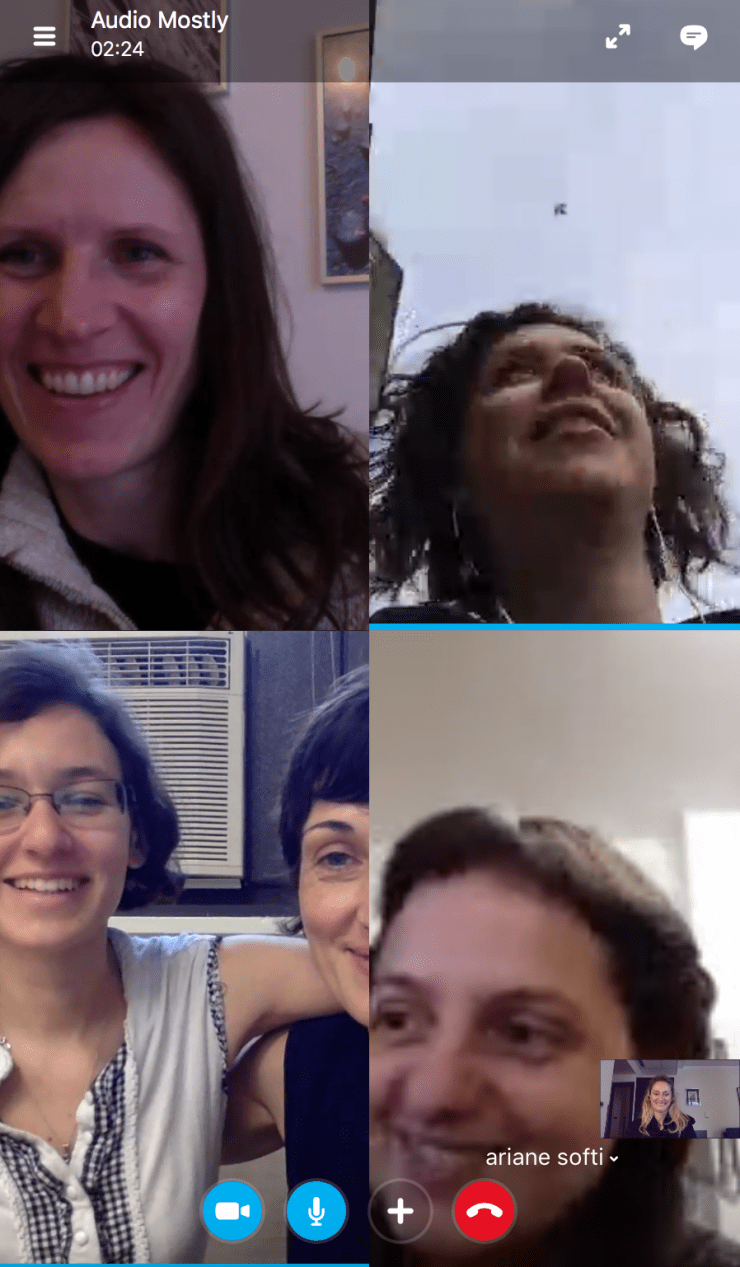 Due to being geographically distributed, these activities sometimes had to happen at erm… shall we say …’unpleasant hours’ (especially for Sonia who is based in Melbourne!)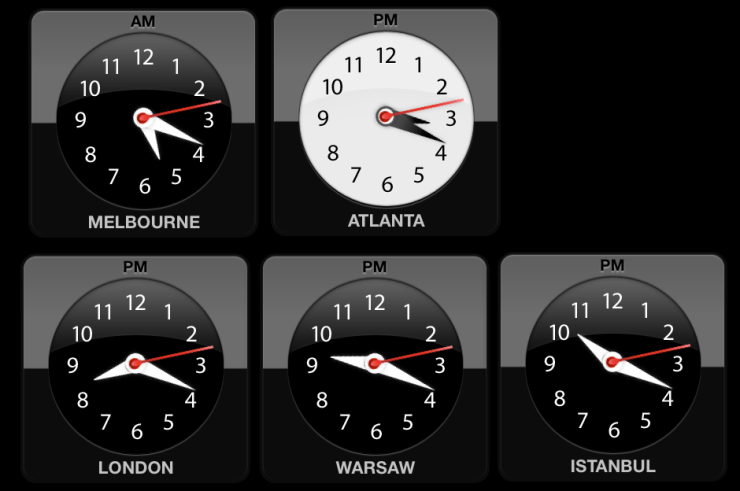
Performance
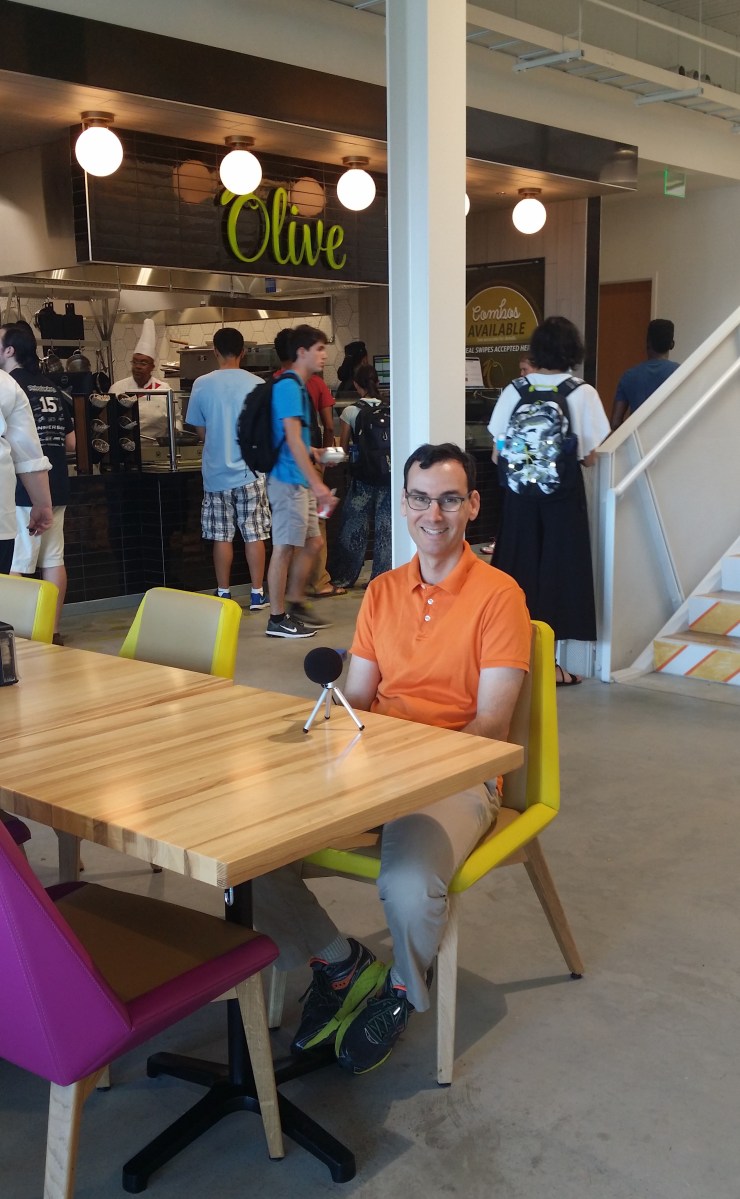
On the day of the performance, Anna, Agneya and Ariane set-up their gear at the Audio Mostly 2017 performance space (Oxford House Theatre, London), and we did a quick bit of testing of remote streams…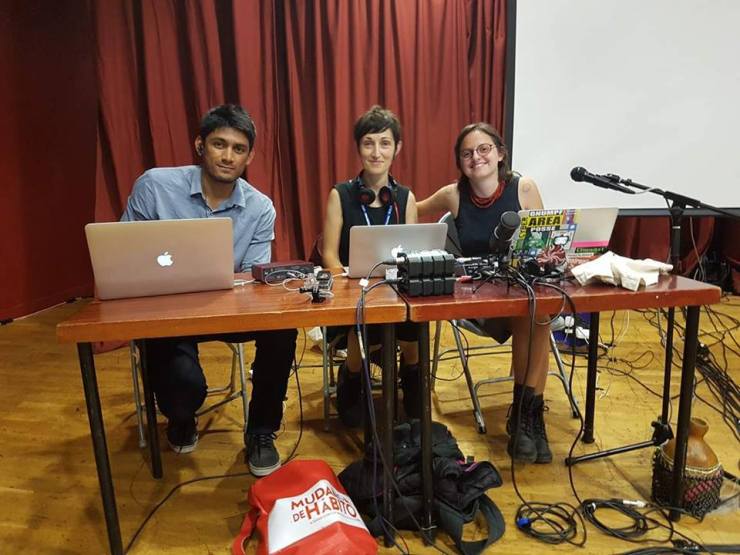 … Jason found a nice spot for streaming at the Georgia Tech university cafe in Atlanta …
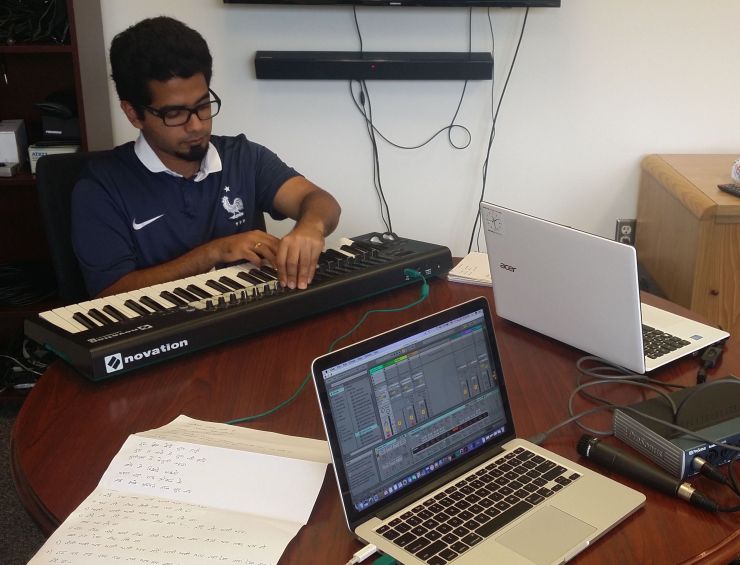
 … somewhere else on the campus Somesh got his hands on a Novation keyboard, Léa jumped on her laptop …
  … Taka started manipulating sound using code …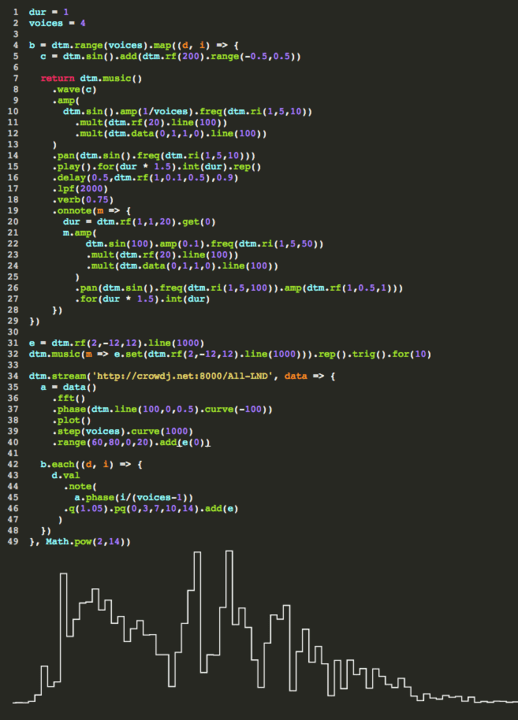
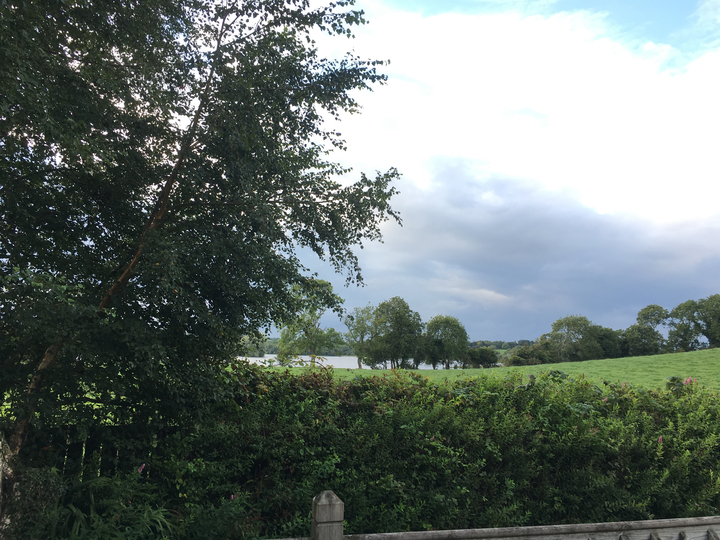
…and Jyoti got her lyrics down on a piece of paper and grabbed a mic …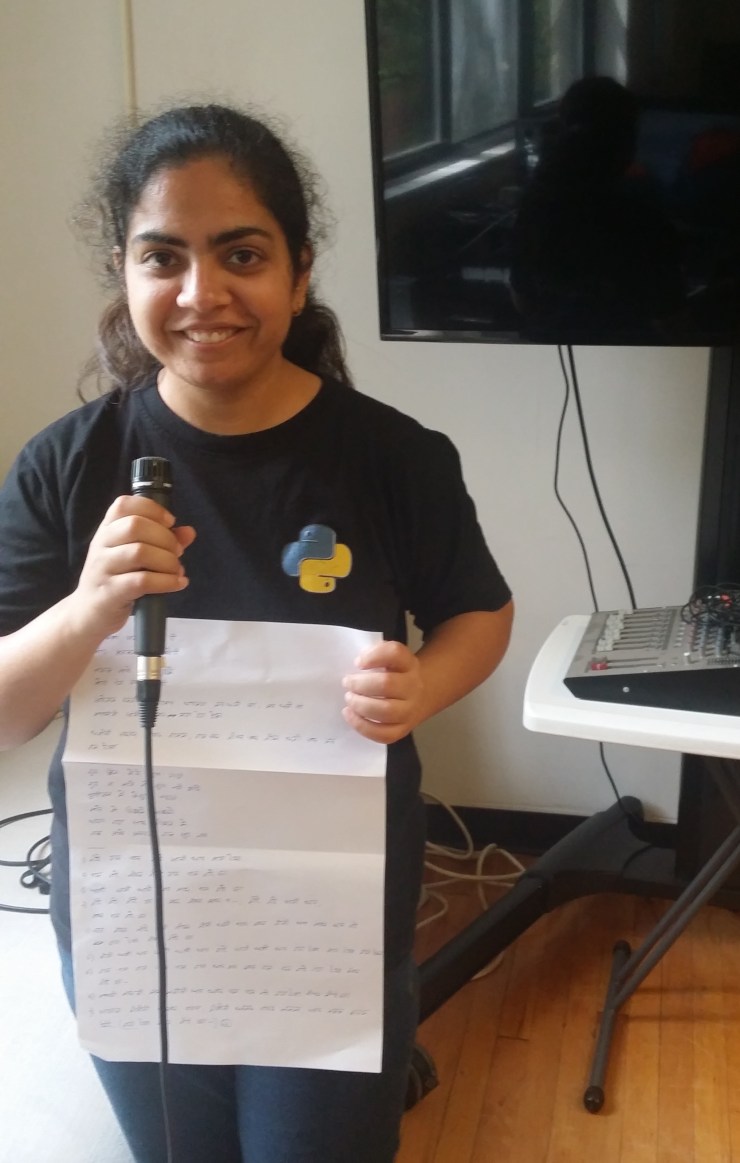 Across the pond … Franziska grabbed her soprano Sax for a session of improvisation overlooking the beautiful Northern Ireland countryside.
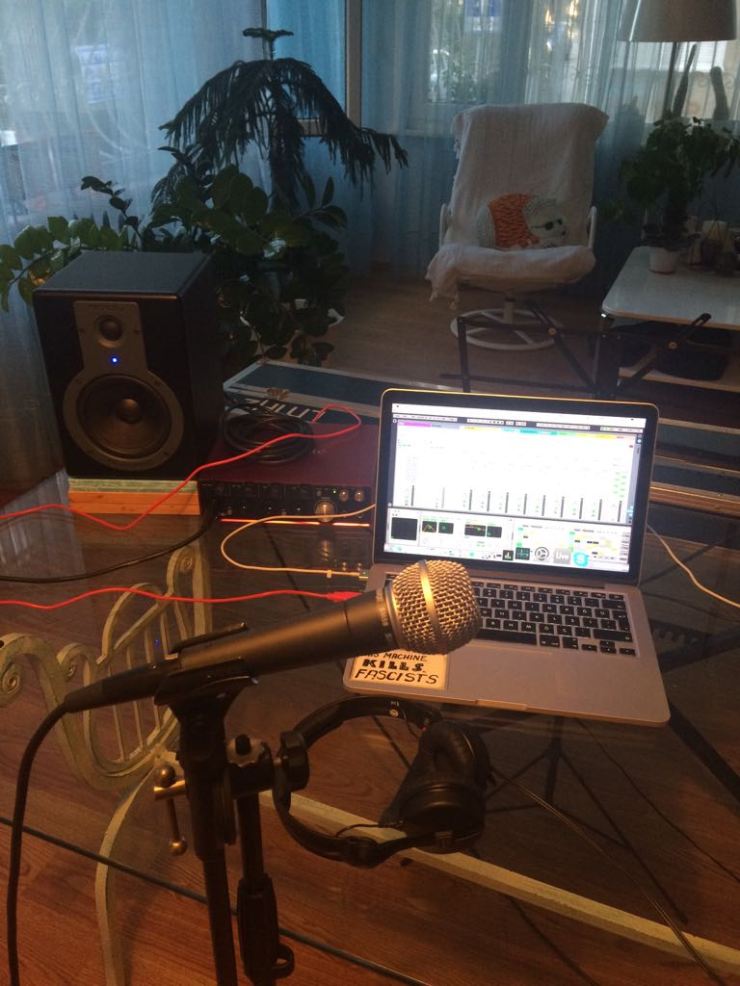
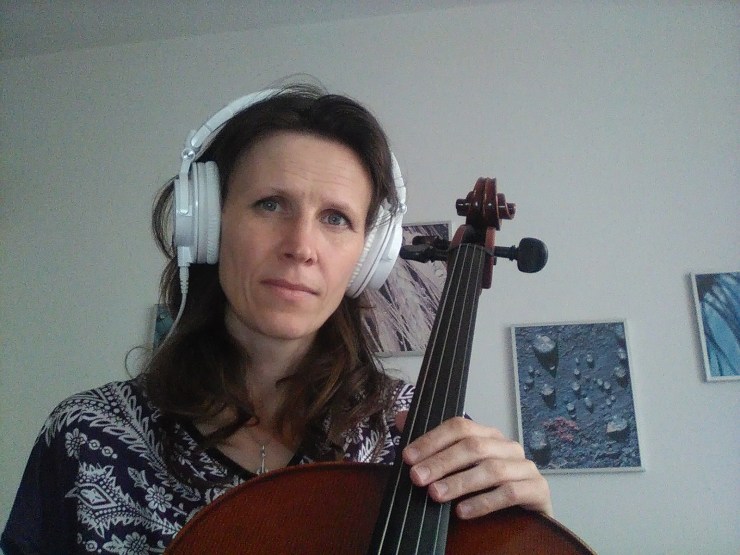
 Across the channel in Poland, Magda grabbed her beloved cello, a pair of Audio-Technica headphones and fired up her Bitwig session.
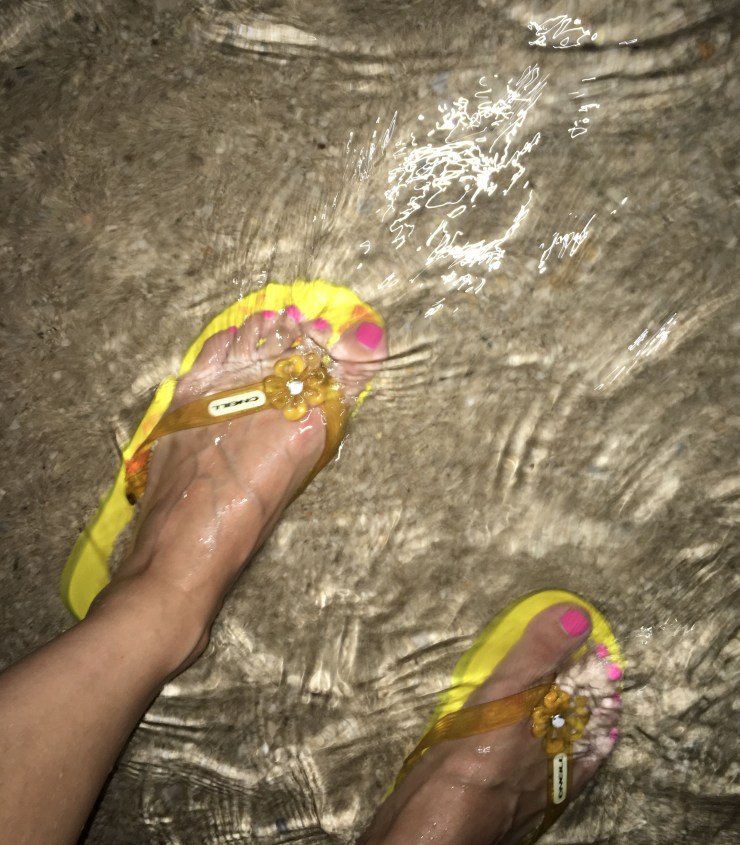
 Further south, Nela got into the Adriatic sea trying to capture the sound of the tide rolling off the shingle beach (sporting yellow flipflops and pink toenails!) …
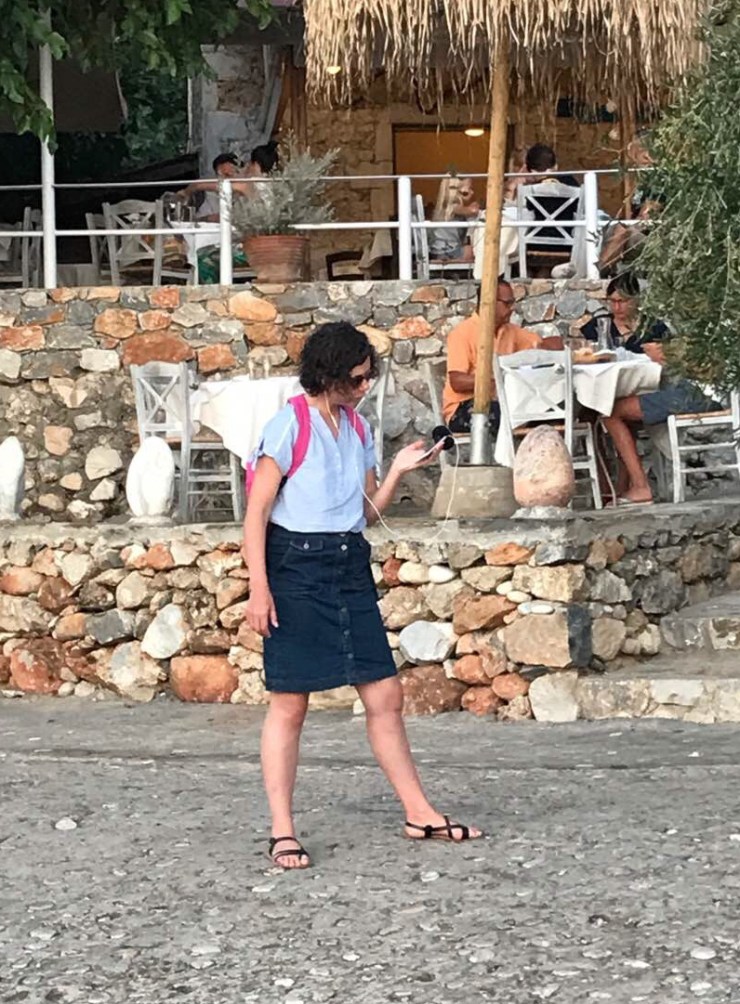
  … Maria found a nice spot for streaming some ‘dinner time sounds’ in the super cute village on the Island of Crete …
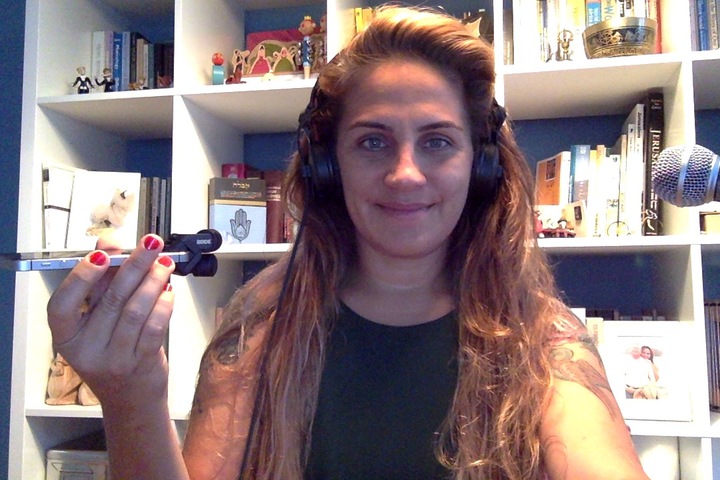
 … whilst Tuna grabbed her iPhone, mic, flute, Ableton and a whole host of controllers to make some magic happen in Istanbul 🙂
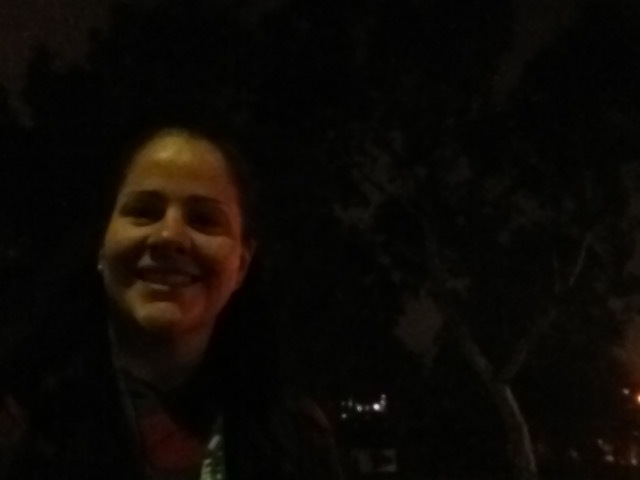
 On the other side of the world, Sonia bravely ventured out into the dark of night in Melbourne (what a trooper!).
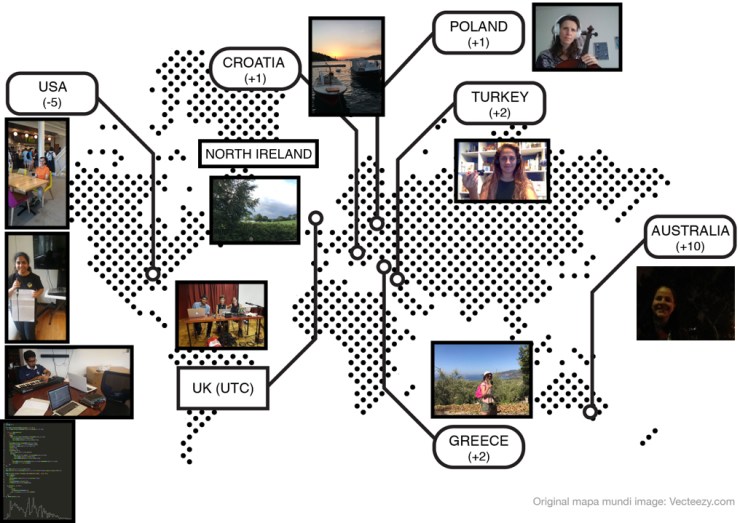
Back at the Oxford House Theatre in London … our co-located team was grappling with mixing of incoming streams, network dropouts and audience participation via Web Audio Interface Open Band, Ariane built for her PhD research. Apparently, the audience got quite enthusiastic about the prospect of being able to write messages using their mobile phones and contribute to the overall sonic landscape. Some of these messages were quite ‘cheeky’, so good thing Ariane had the full control over the server and the mixing desk volume fader 🙂 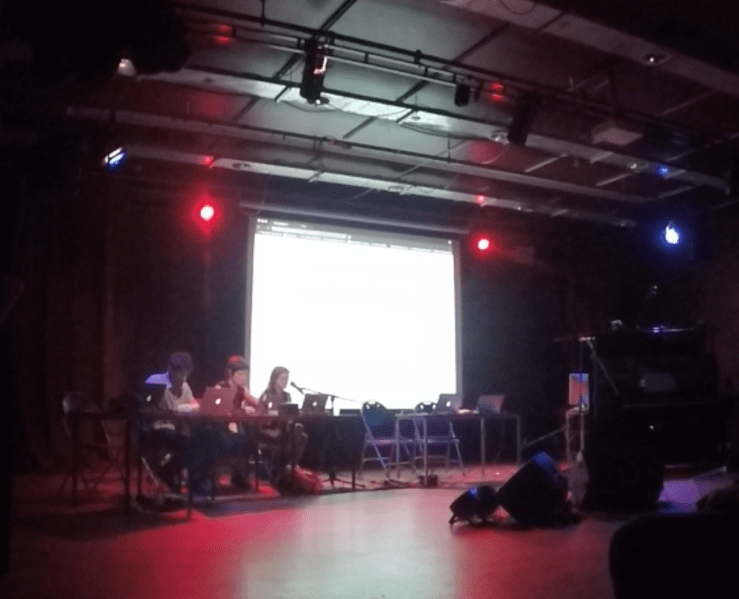 In case you are getting a bit confused with the geographical information, here’s a map Anna put together that explains it all!
To get the ‘full picture’ (with corresponding sound) you can also check the video of the performance here!
Apart from performing Transmusicking I at the Audio Mostly 2017 conference, Ariane also presented a paper “Open Band: A Platform for Collective Sound Dialogues” (Ariane Stolfi, Mathieu Barthet, Fabio Goródscy and Antonio D. Carvalho Jr) and did a performance ‘Open Band: Audiotype’, whilst Anna presented a paper “Turn-Taking and Chatting in Collaborative Music Live Coding” (Anna Xambó, Pratik Shah, Gerard Roma, Jason Freeman and Brian Magerko).
Audio Mostly 2017 overlapped with the Web Audio Conference (WAC) 2017, at which Franziska delivered a keynote “Distributed Listening – A Practitioner’s Perspective” and did a performance Improvisation with Chris Chafe, whilst Anna was part of the Programme Committee, chaired one of the WAC2017 talk sessions, and did a performance “Hyperconnected Action Painting” with Gerard Roma.
A very busy week all around!!!
A BIG THANK you to the following peeps and organisations who supported FLO performance of Transmusicking I at Audio Mostly 2017 in various ways:
- WiMT (Georgia Tech), especially Anna Xambo for coming up with an idea of rebuttal (and saving our performance!)
- Bitwig Studio, Audio-Technica and RØDE Microphones for supplying FLO with software and hardware!


A BIG THANKS to EVERYONE who came to see the concert and to everyone who used Ariane’s Open Band platform to contribute to the performance in real-time. Receiving immediate feedback from the audience during the performance (which resulted in audio being interwoven into the performance itself), opened up interesting questions about the ‘authorship’ of the final outcome of the performance and gave us ideas about further developing strategies for this in the future.
 FLO
FLO 