 Following the inaugural performance of In Transglashphõnē, in which we successfully streamed 8-channels of audio in real-time from London to São Paulo, we decided to do a follow-up performance as part of the Art Language Location festival (ALL2016).
As part of the performance, we used real-time bi-directional streaming of ‘nomadic voices’ between London (QMUL) and Cambridge (Anglia Ruskin University), for the audience to perceive a deterritorialized sense of place and respond creatively using Twitter. The visualisation of this textual response was projected simultaneously on a wall and the text served as the translated experience from the Cambridge audience, of distant voices and sounds, suggesting the expansion of spaces for living and being, through a mixture of languages and multiple identities.
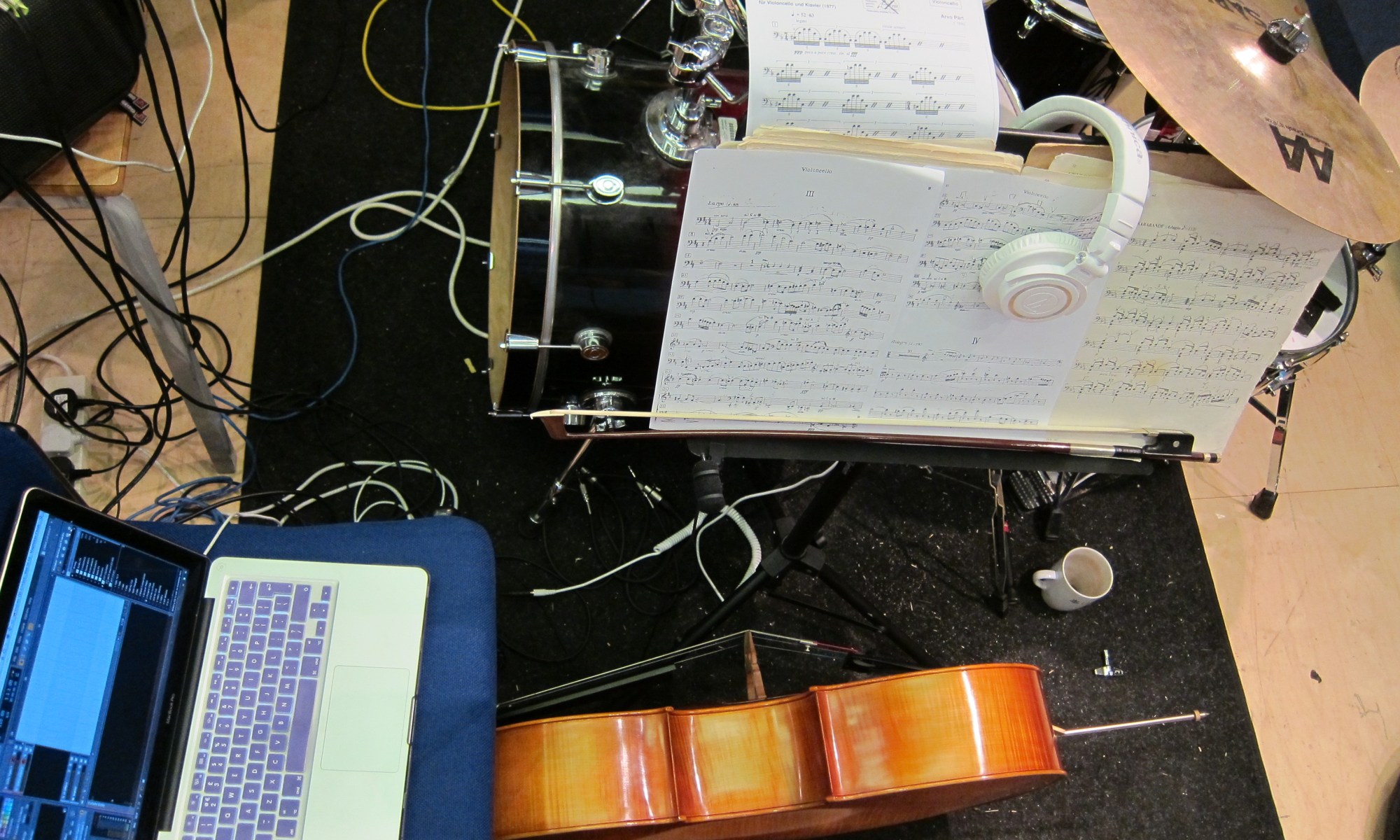
London soundscapes, recorded text, live voice and cello improvisations by Nela and Magda were streamed from London to a concert hall at the Anglia Ruskin University, where Ximena used her voice improvisations manipulated by a PD patch and Maria streamed a soundwalk from the streets of Cambridge, posting Twitter messages along the way.
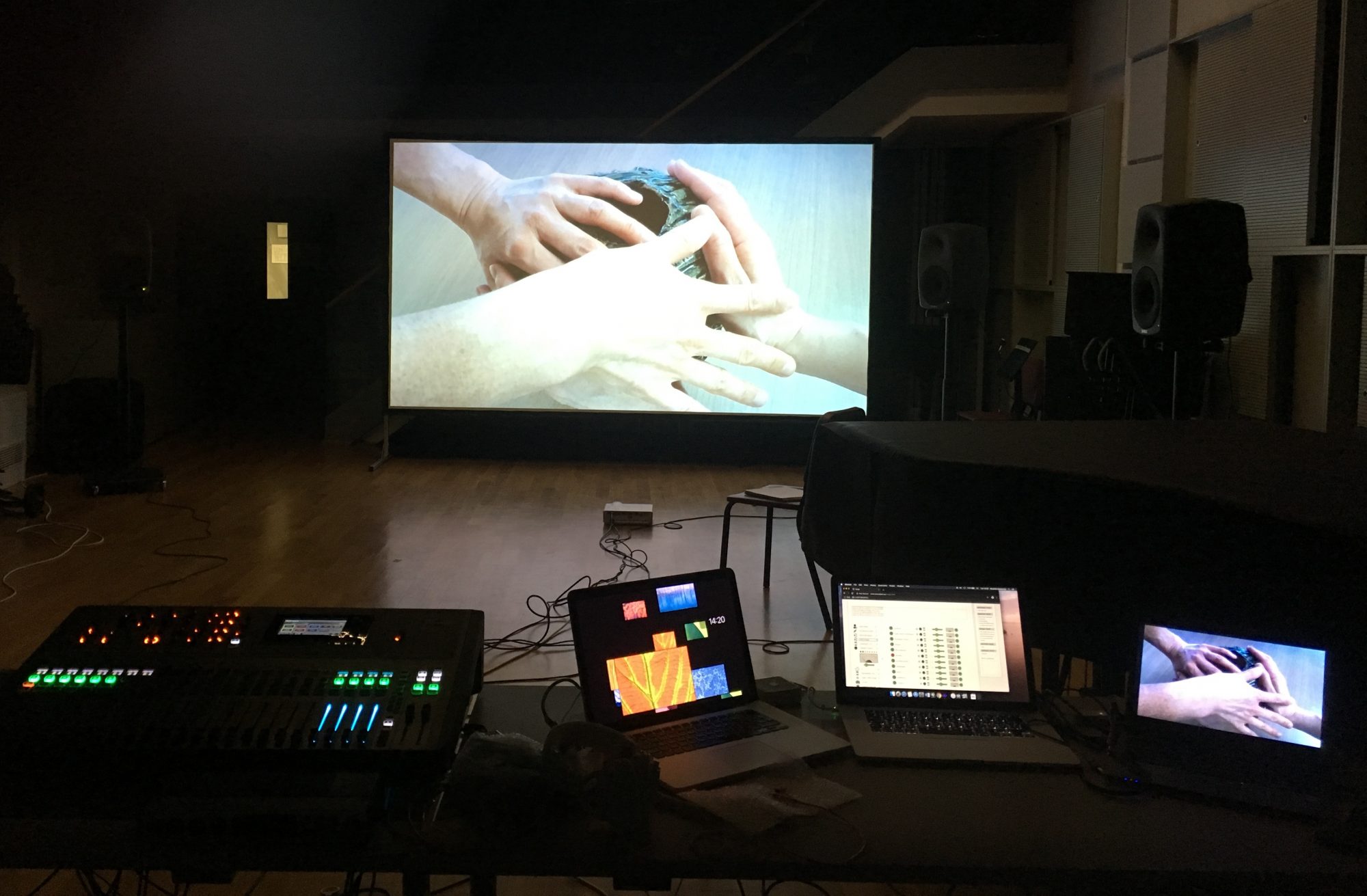
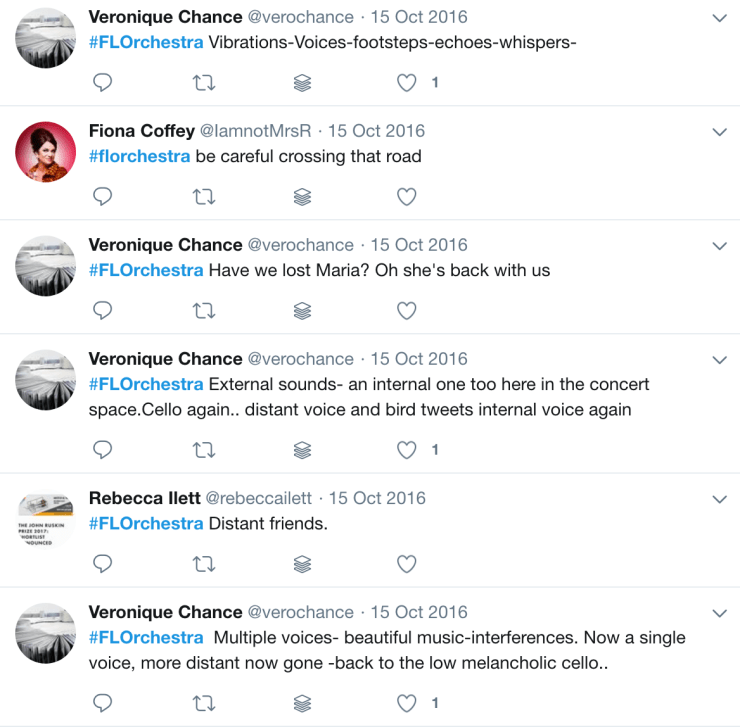
In the concert hall, the performance was diffused in 4-channels by Simon Smith whilst the audience had a choice of participating in the performance by tweeting their comments in real-time using hashtag #FLOrchestra, to which Nela, Magda, Ximena and Maria (who were following the Twitter feed) were able to respond to, creating a continuous ‘feedback loop’ between the performers and the audience.
Nela felt inspired and wrote a new poem for the performance …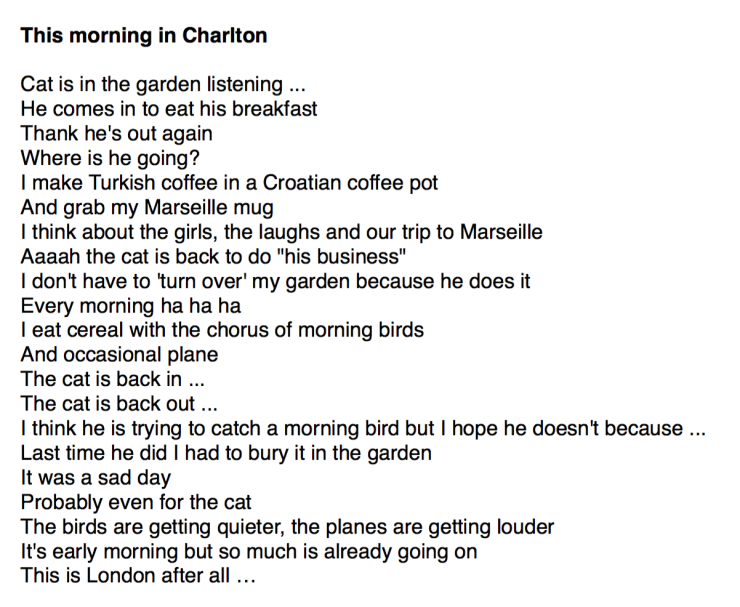 The testing at the Anglia Ruskin University concert hall went great!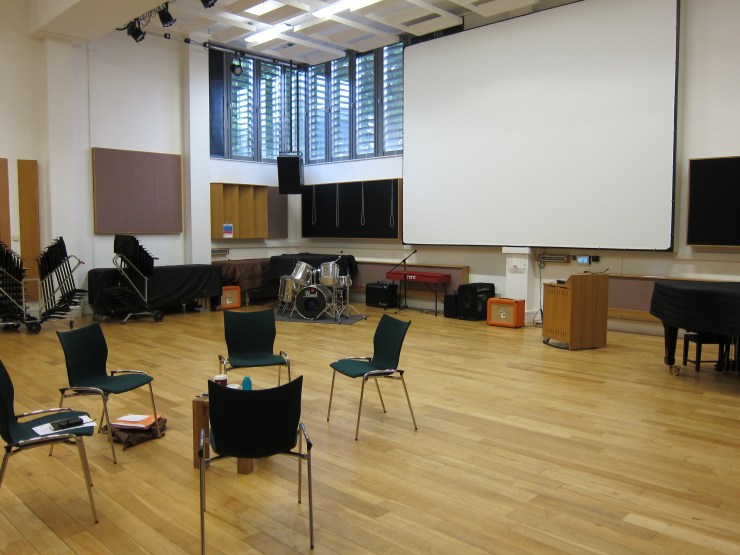
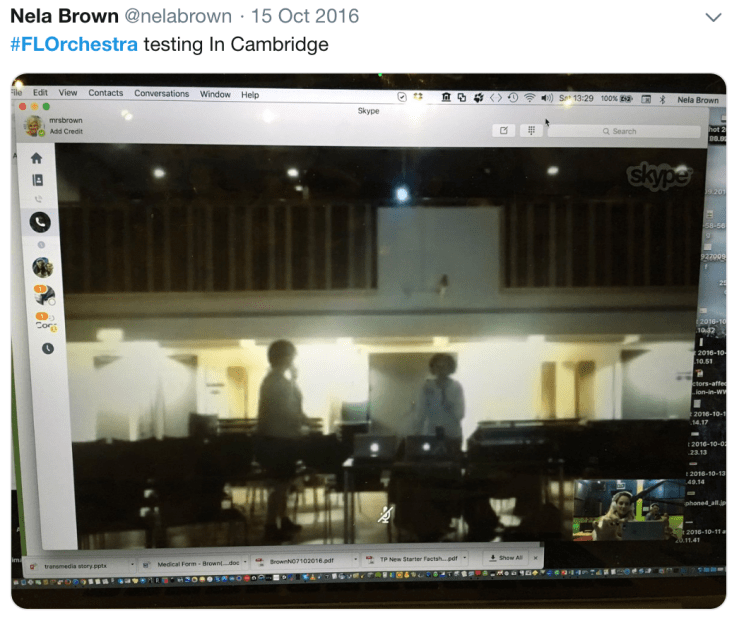
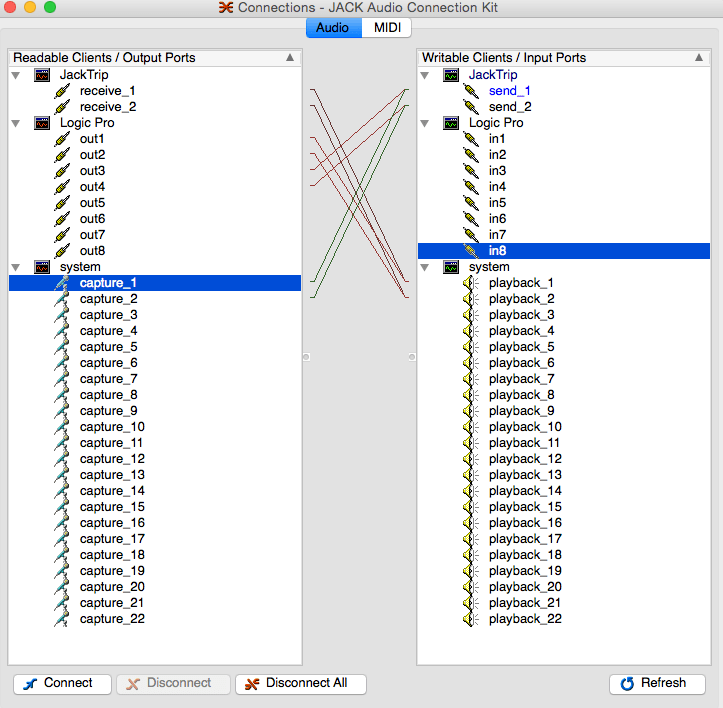
The testing of Maria’s streaming from the streets of Cambridge went fab too! 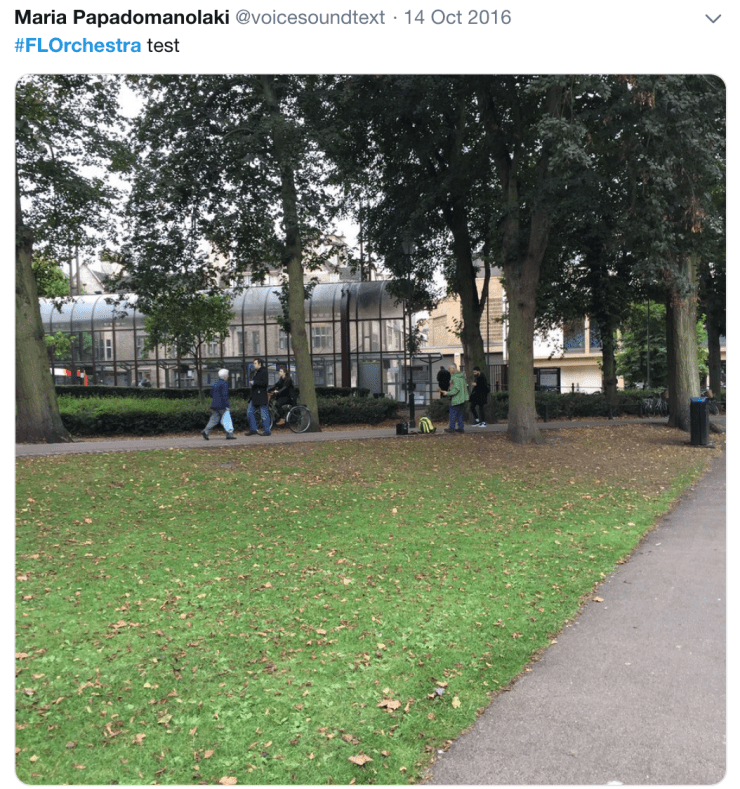 Jack Audio worked beautifully …
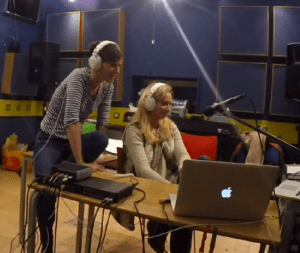
 … and Nela and Magda were able to experience the amazing acoustics of the concert hall in Cambridge, whilst sitting in the QMUL studio in London! (it was like were there in person!)
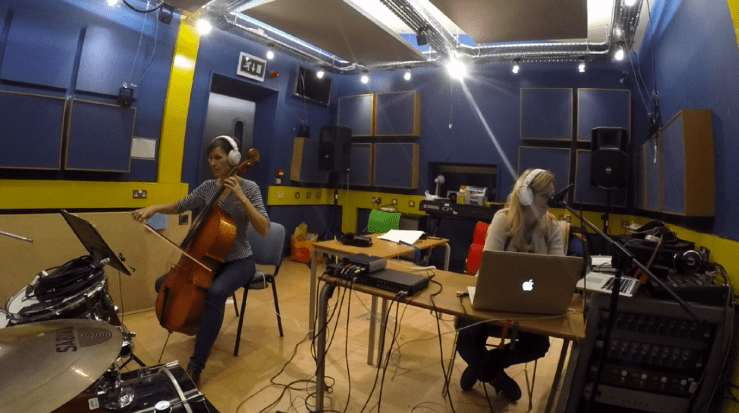 Maria had fun documenting her Cambridge soundwalk using Twitter …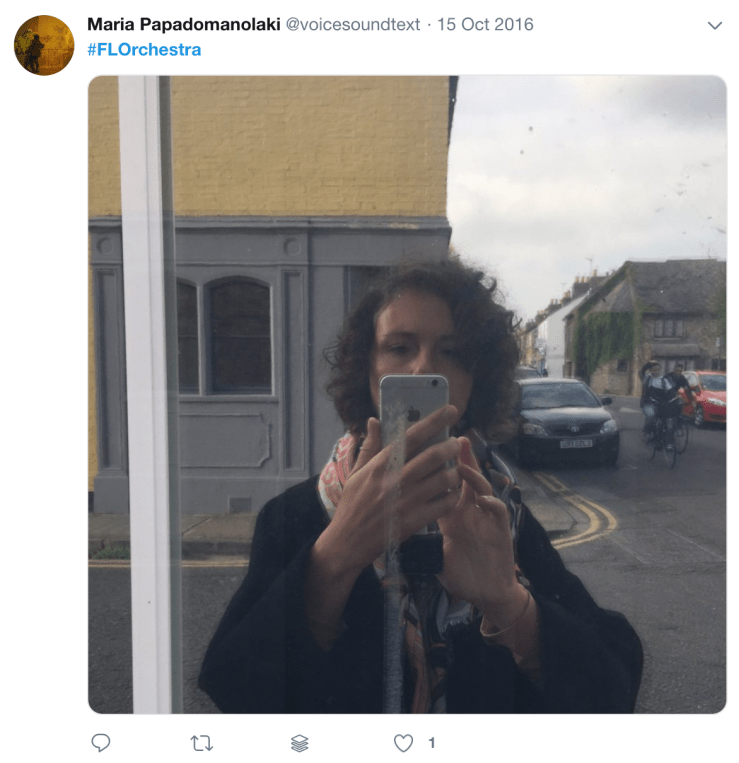
… and the audience responded with their own impressions of what they heard coming through the 4-channel speaker set-up 🙂
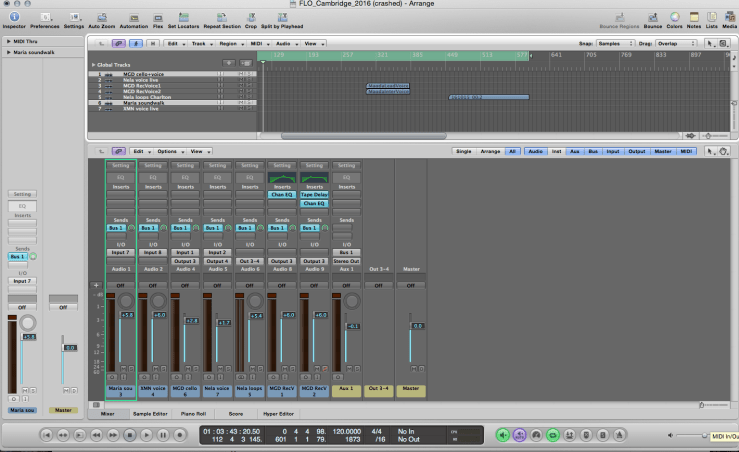
Everything was perfect until Logic session crashed in the middle of the performance!Whaaaa ?!@&%*
Our Jack Audio set-up was ‘solid’, so the performance continued to stream in both directions. Nela just couldn’t mix the performance for a minute or so, until Logic came back to life! (luckily, nobody even noticed!)
At the end of the performance, Nela and Magda Skyped from London to join Ximena and Maria for a Q&A session with the audience in Cambridge!
A BIG THANK you to the following peeps and organisations who supported FLO performance of In Transglashphõnē at ALL2016 in various ways:
- Paul Jackson (Head of Music at ARU), Robert Good, Rebecca Ilett and Catherine Cleary (from Art Language Location) – for helping us with the technical and artistic aspects of performance and financially supporting its successful delivery!
- QMUL, London, UK – for letting us use their music studios for the performance and fabulous Tom King and Tim Kay from the School of EECS IT team, who helped with network ports testing
- Simon Smith, the audio-visual technical guru from Anglia Ruskin University – who kindly assisted with the technical set-up in Cambridge and expertly diffused our performance 🙂
- Bitwig Studio and Audio-Technica – for supplying FLO with software and hardware
A BIG THANKS to EVERYONE who came to see the concert and who tweeted their impressions in real-time. Receiving immediate feedback from the audience during the performance added a new layer to our telematic performance and we are looking forward to figuring out new ways for ‘audience participation’ in the future!
 FLO
FLO 