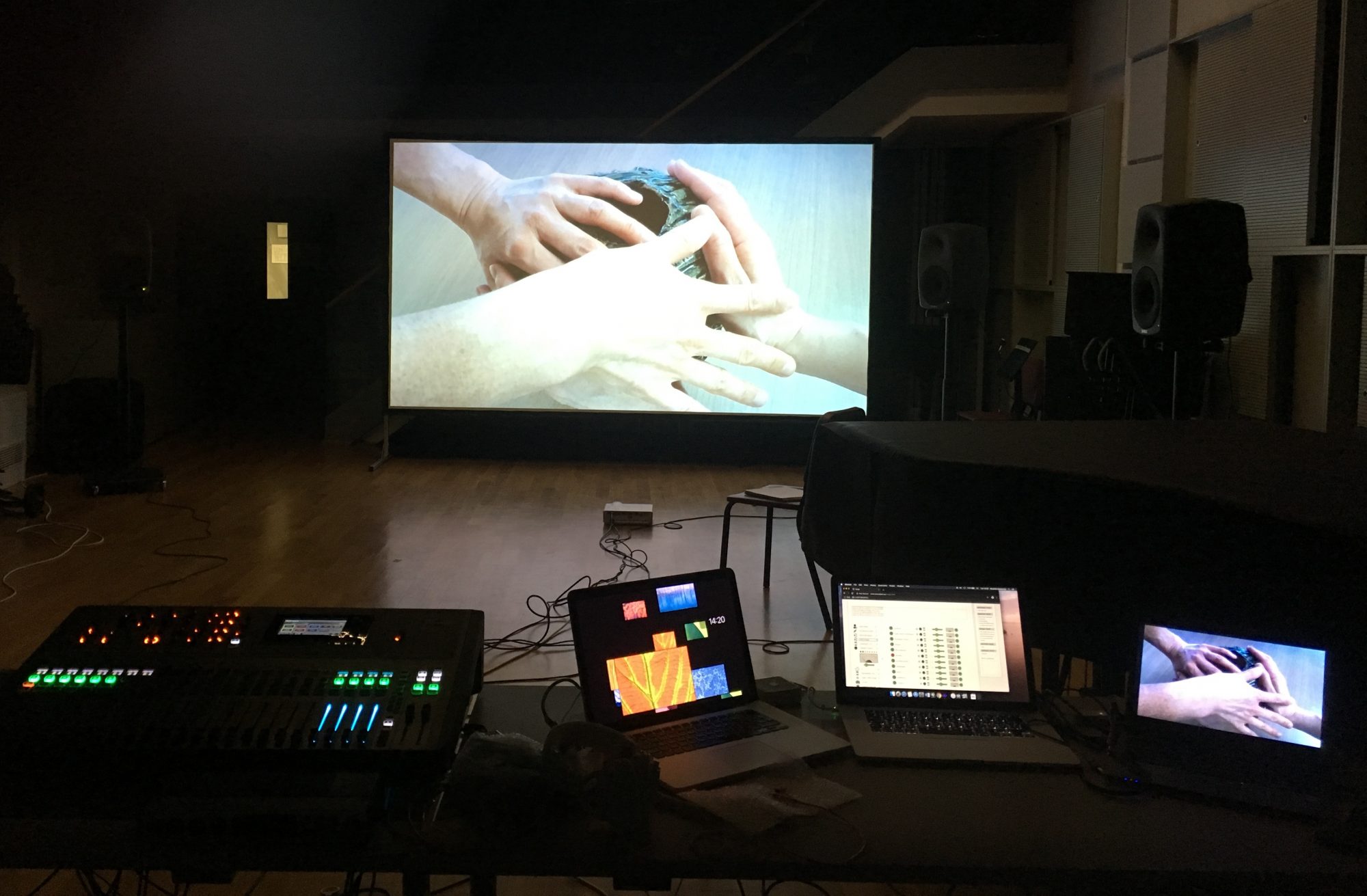
On 6 July 2016, we attempted our first ever fully telematic performance, by performing In Transglashphõnē at the music studios at QMUL, London, UK and streaming the performance in real-time using Jack Audio and 8-channels to CMMR2016 conference, taking place at the University of São Paulo in Brazil.
The aim of In Transglashphõnē was to explore our “nomadic voices” as migrant women living in London; our languages and accents which escape fixed territories in our everyday life [1], [2]. We wanted to listen to our feelings and connections coming from different geographies, melodies, and sounds as a means of exploring our sense of place and identity in the city of London. Coined by Janette El Haouli [3] the “nomadic voice”, acts as a “bridge for the overcoming of pre-established values and inherited questionings.” By sending audio streams of our nomadic voices to São Paulo, and allowing the audience to respond creatively using Twitter, the text we wrote for the performance and perform live (using our own unique ways) will serve as the translated experience, of voices and sounds that originate in London suggesting the expansion of spaces to live and being, through a mixture of languages and multiple identities bridging world territories.
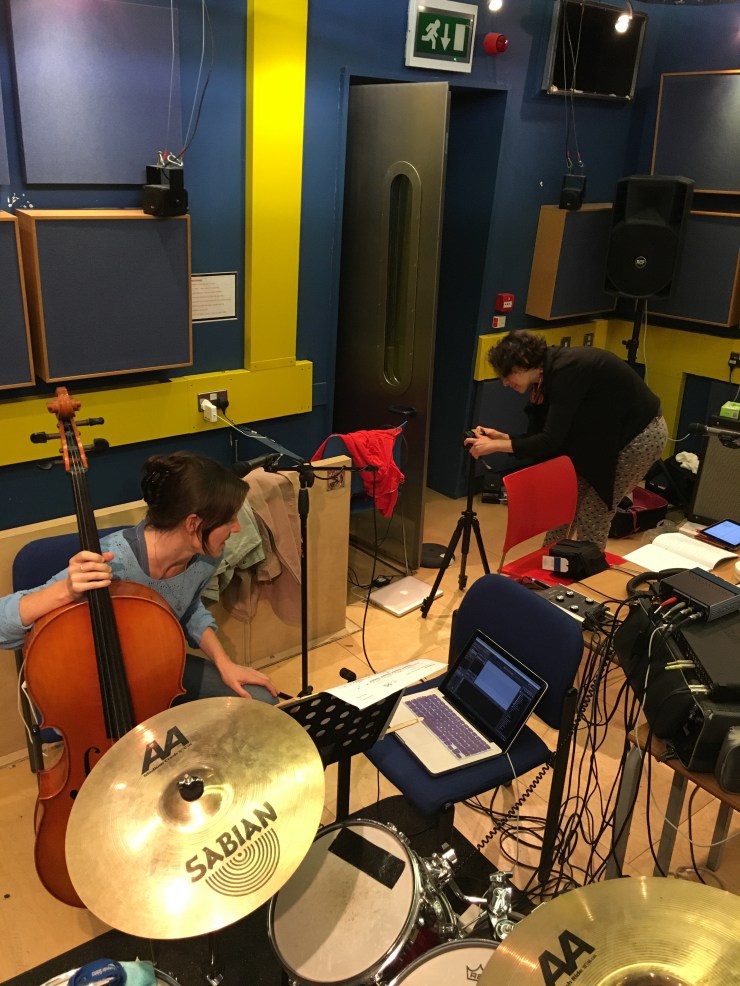
Ahead of the performance a lot of discussions, brainstorming and testing took place at QMUL over lunch breaks and coffee breaks … 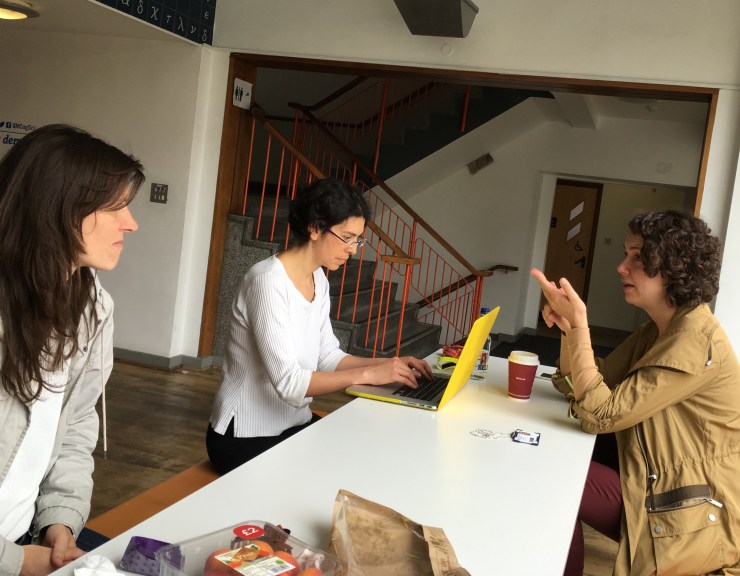 on the whiteboard …
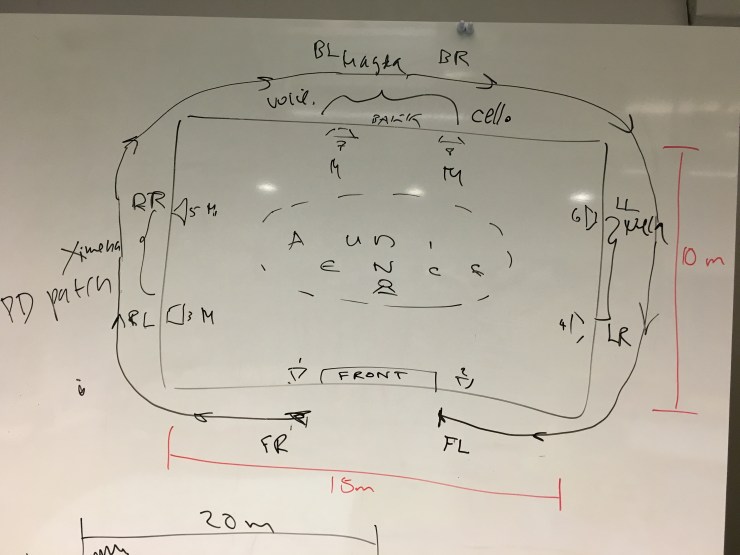 on the paper pad …
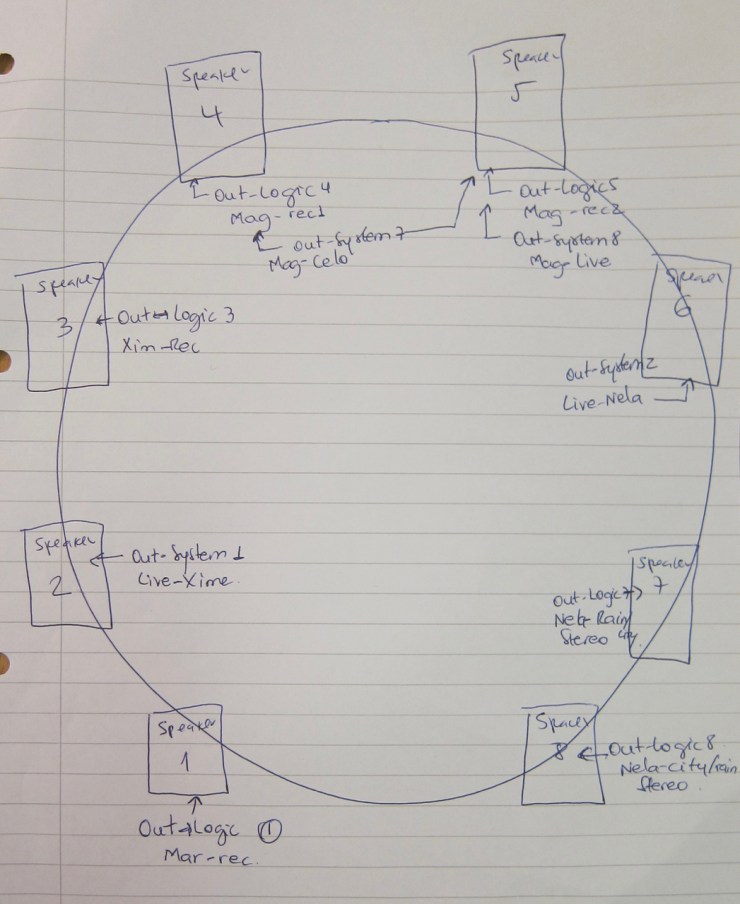 in various rooms across the campus …
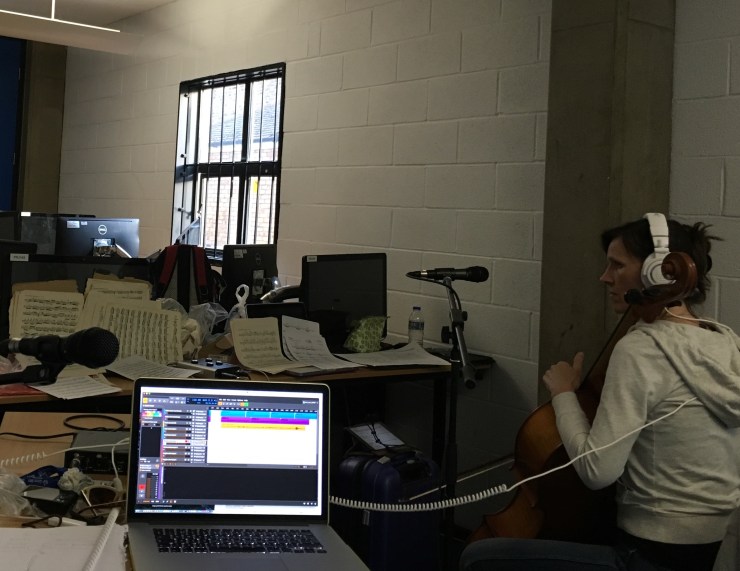 and (when available) in the music studio 🙂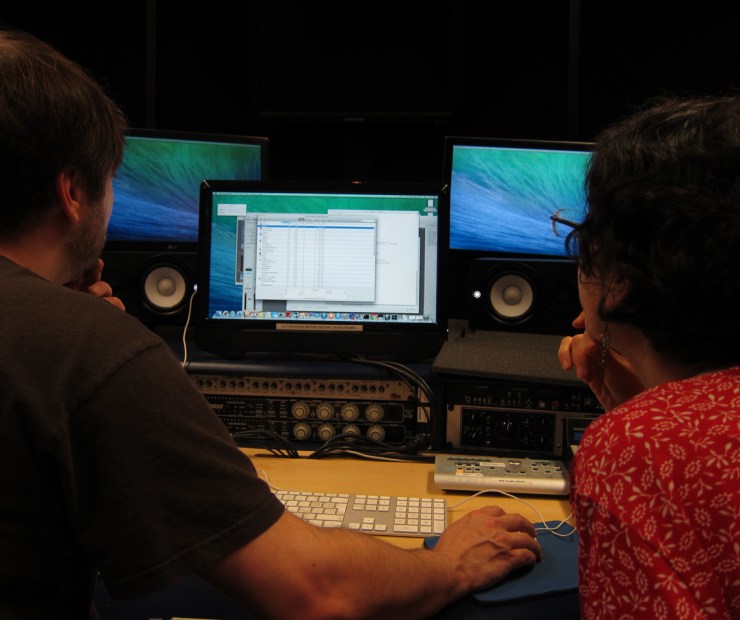
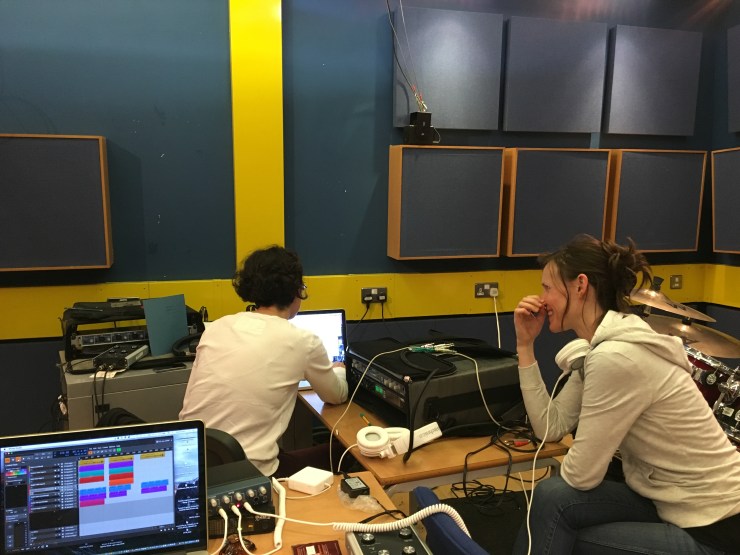
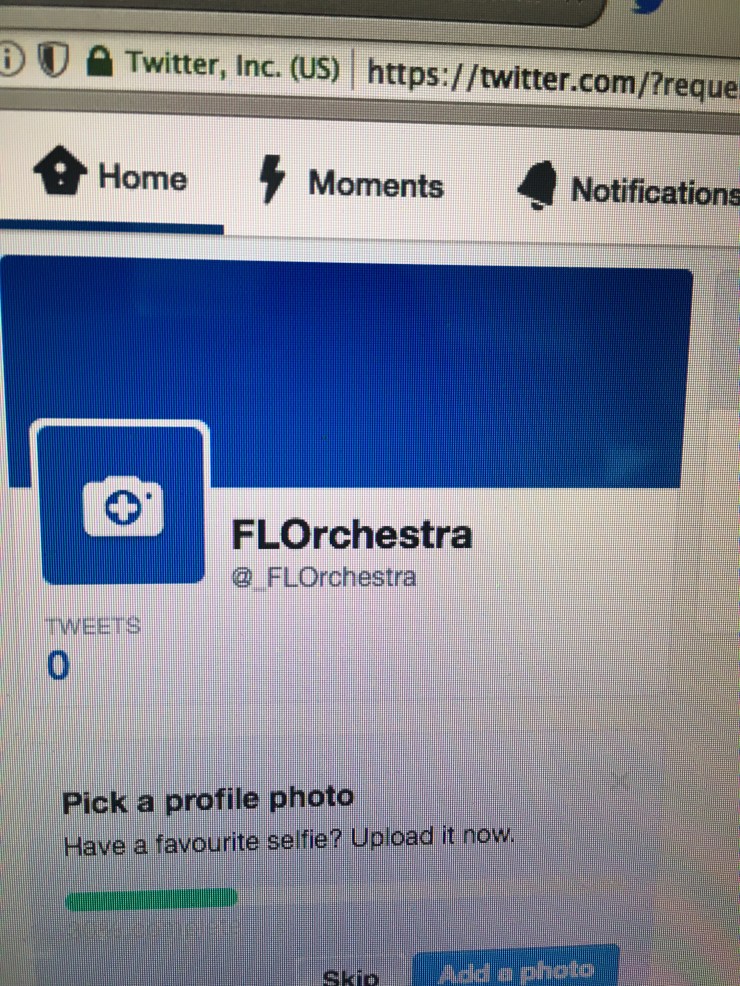
 We set-up FLO Tweeter account and chose a hashtag audience could use during the performance …
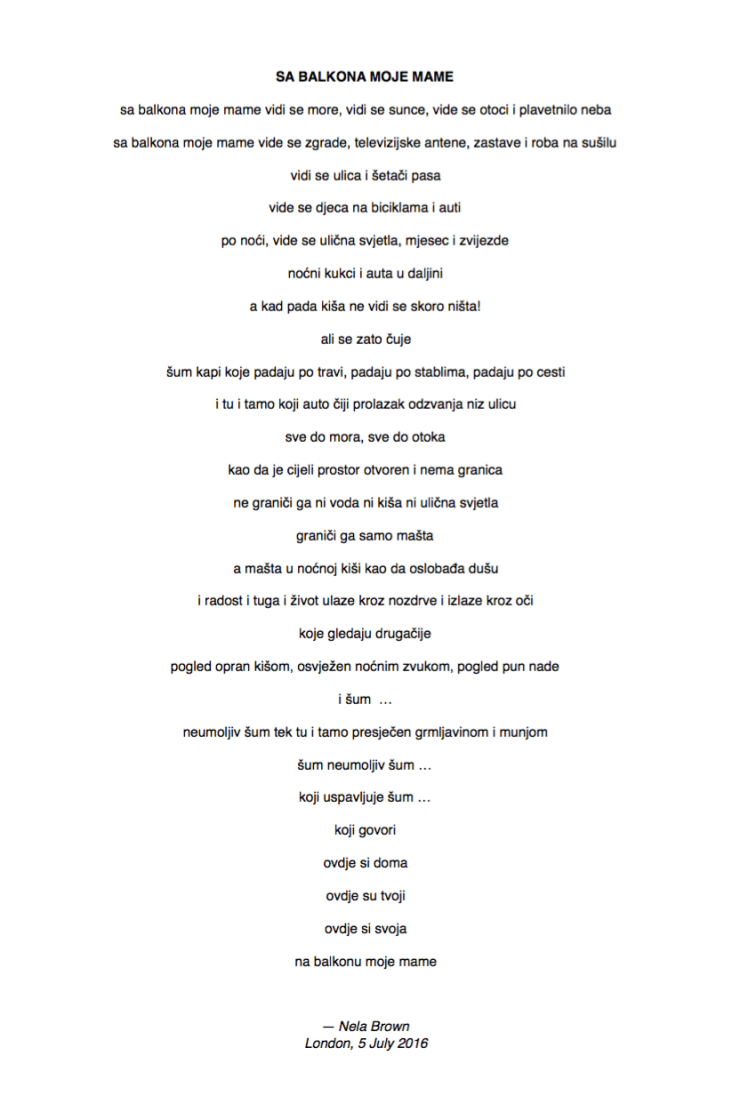
 We explored our “nomadic voices” through reflecting on our experiences as migrant women living in London and writing texts in our native language to be recorded, performed live or manipulated as part of the performance …
  Magda chose her sources of inspiration for cello improvisations …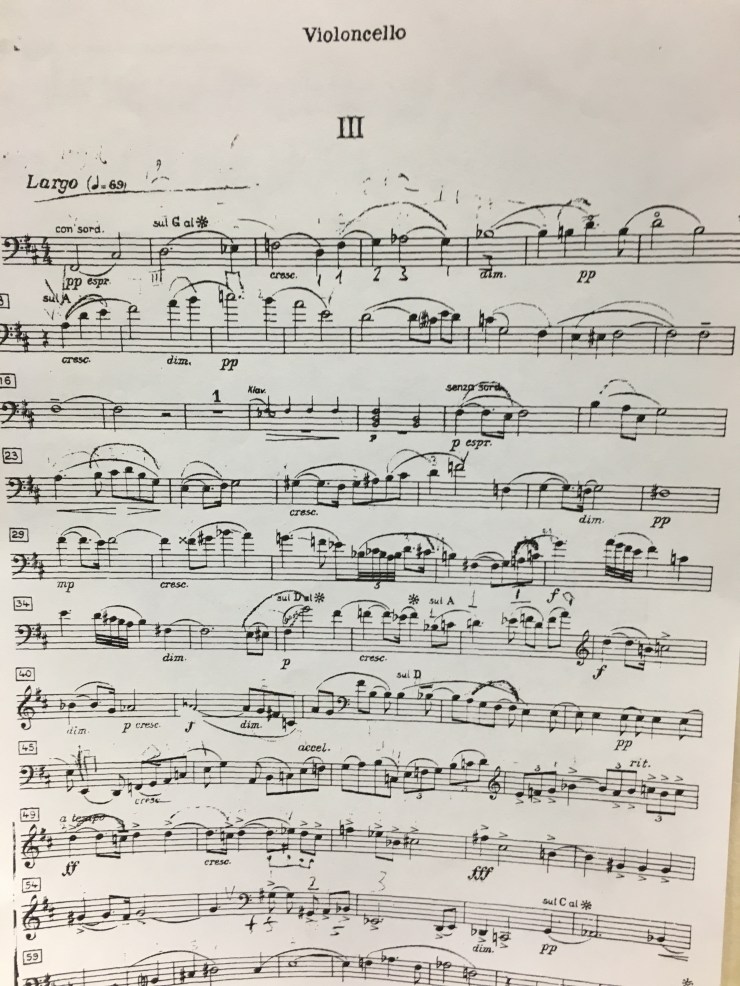
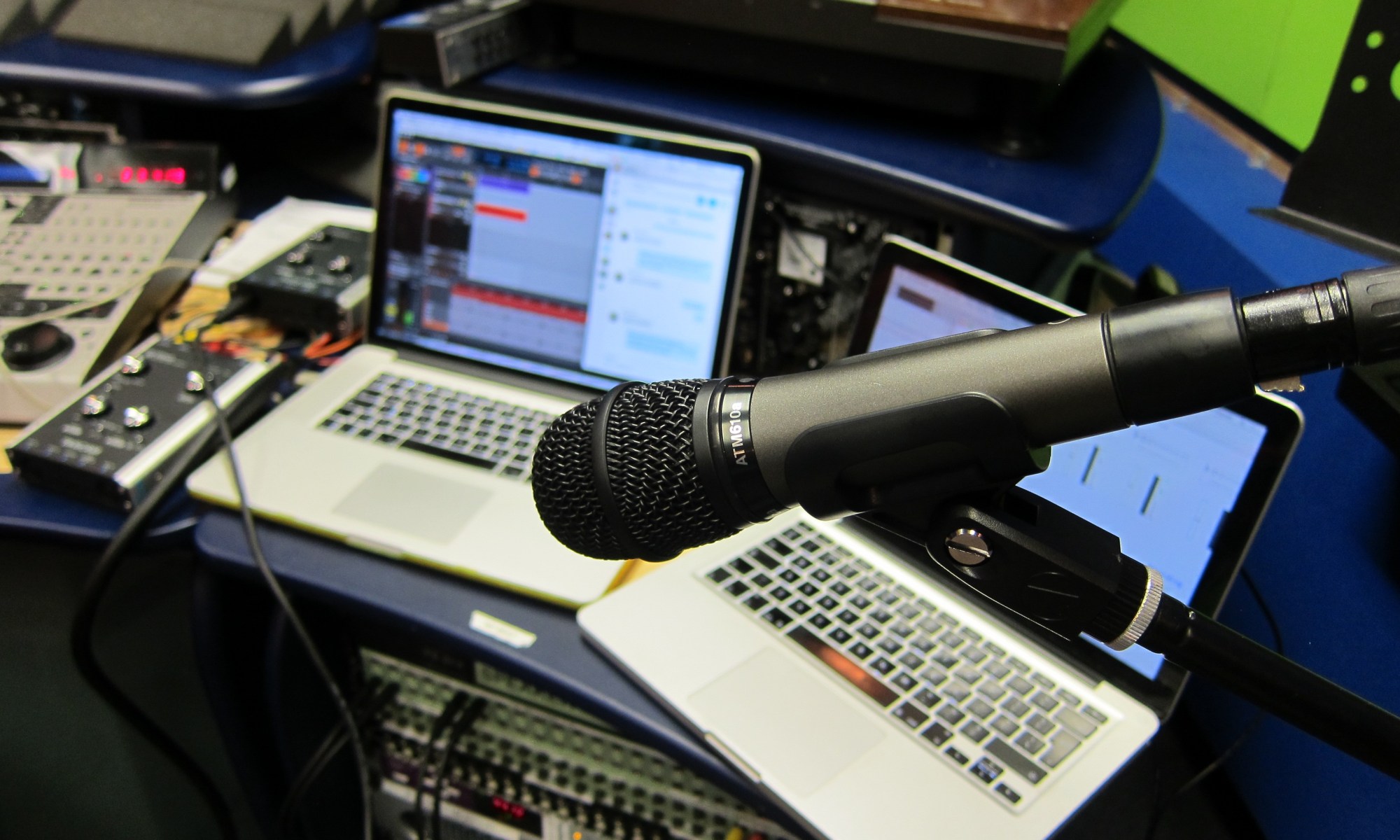
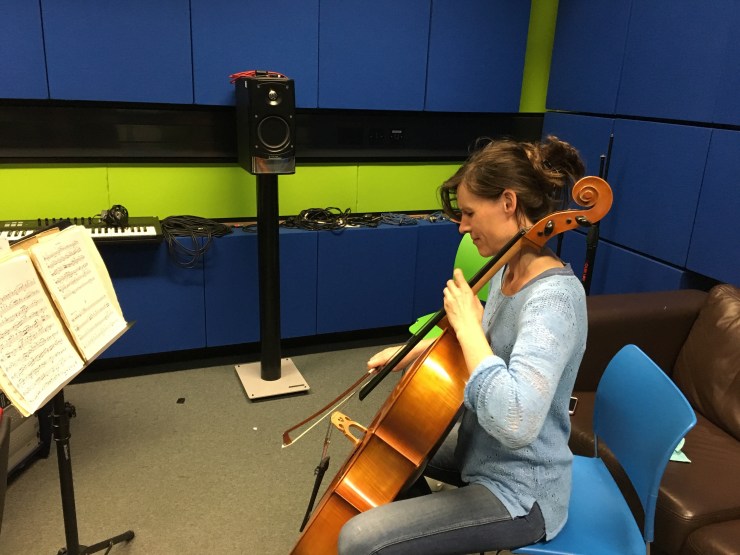 …and played with Bitwig software …
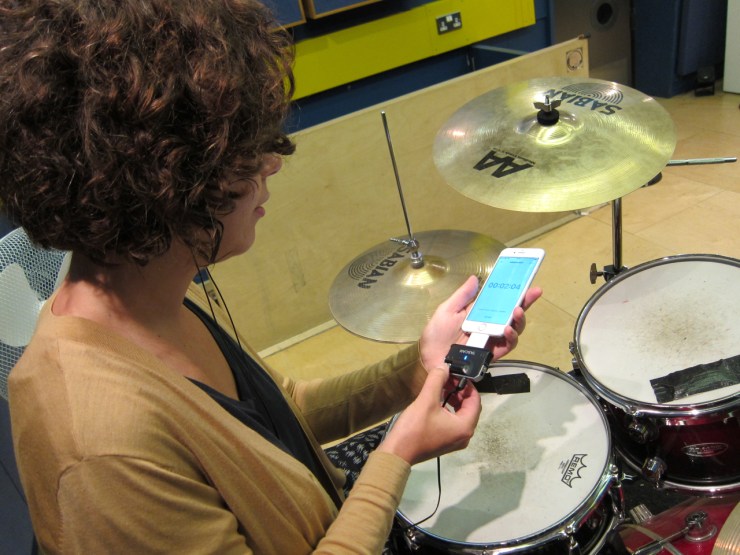
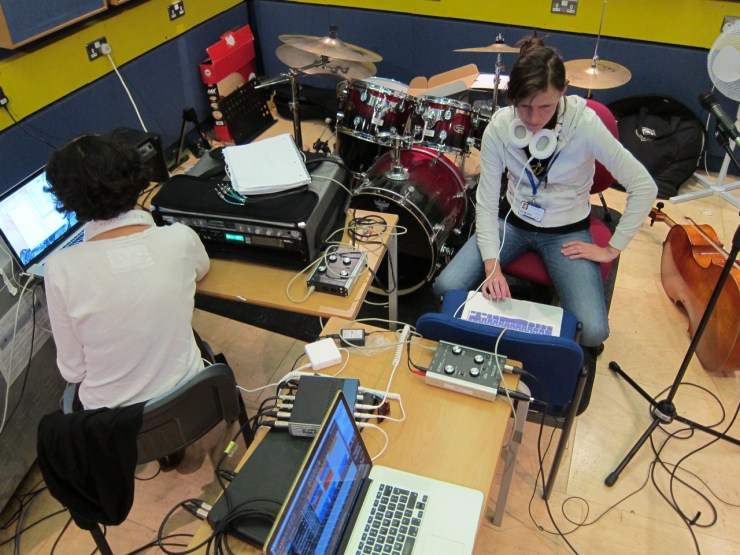 Maria did some testing with her mobile streaming tool-kit …
 Nela did some testing with her new headphone splitter, HP4 from PreSonus, as monitoring had to be done via headphones…
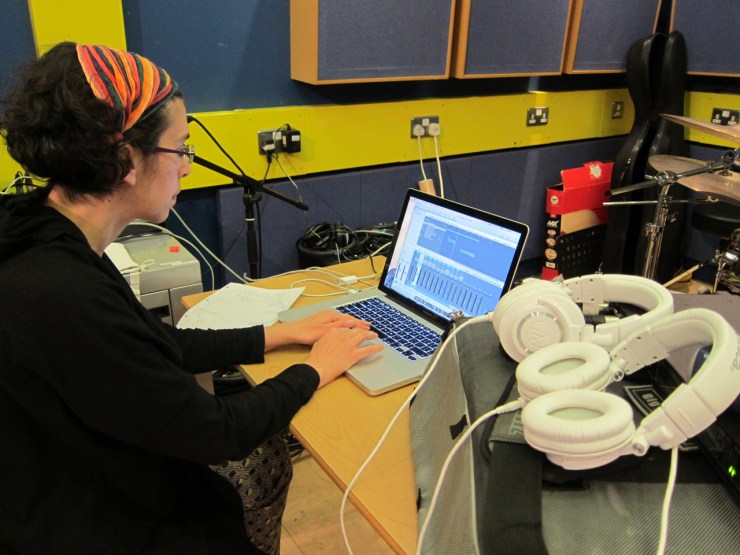
 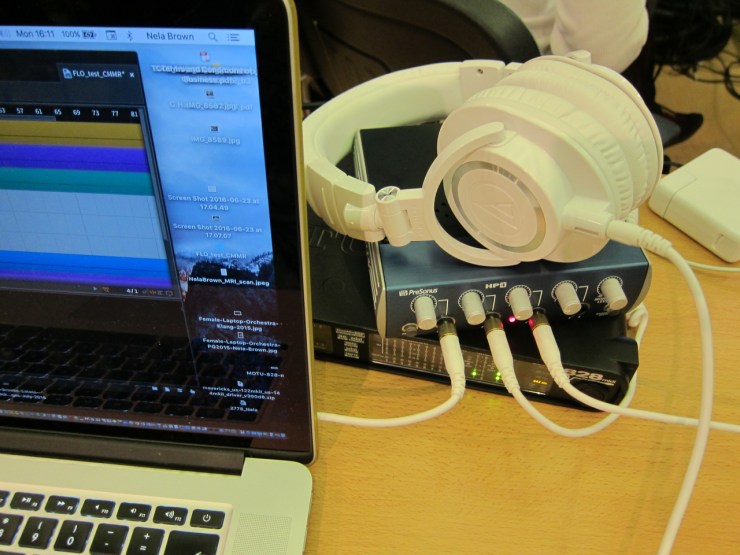 Ximena did some test with Jack Audio to check it would work ok with the studio laptop and the version of Logic installed on it!
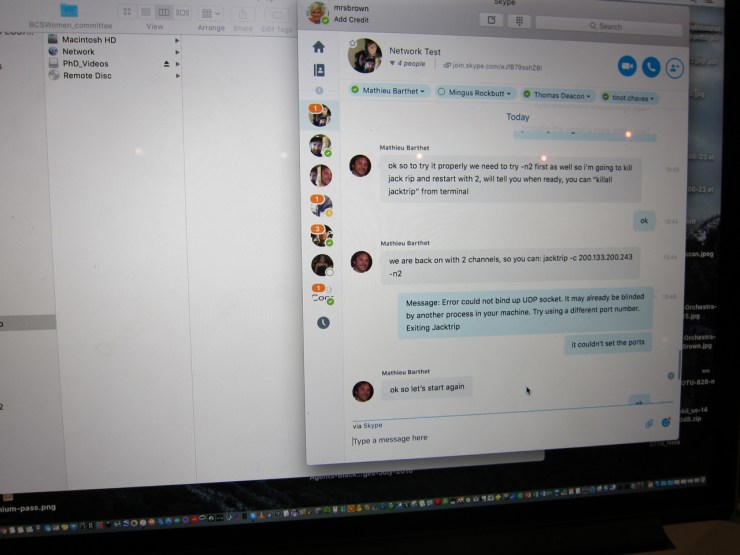
 A few days before the performance, we tested the network speed with the University of São Paulo technical staff as well as our QMUL colleagues Mathieu Barthet and Thomas Deacon who were (luckily for us!) attending the CMMR2016 conference in person 🙂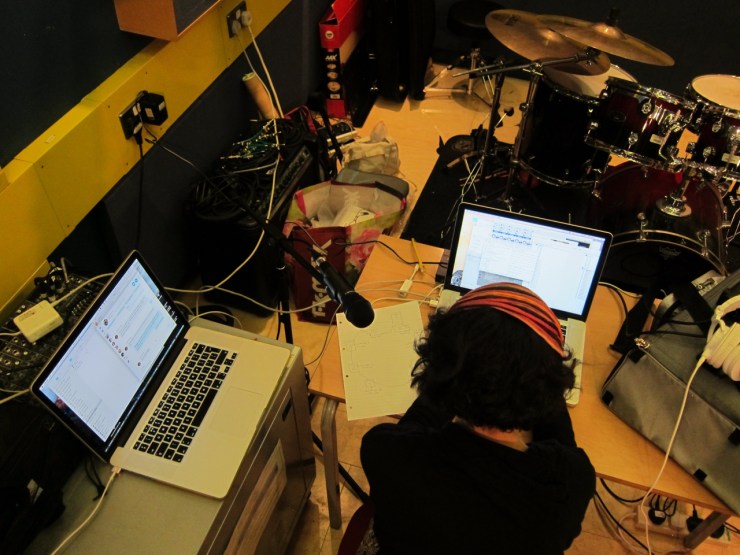
 During the performance, Nela, Magda and Ximena were situated at the studio, whilst Maria recorded a soundwalk that was added to the stream …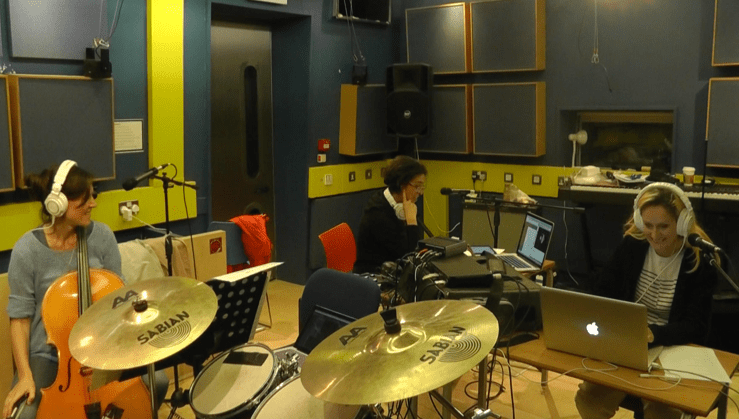
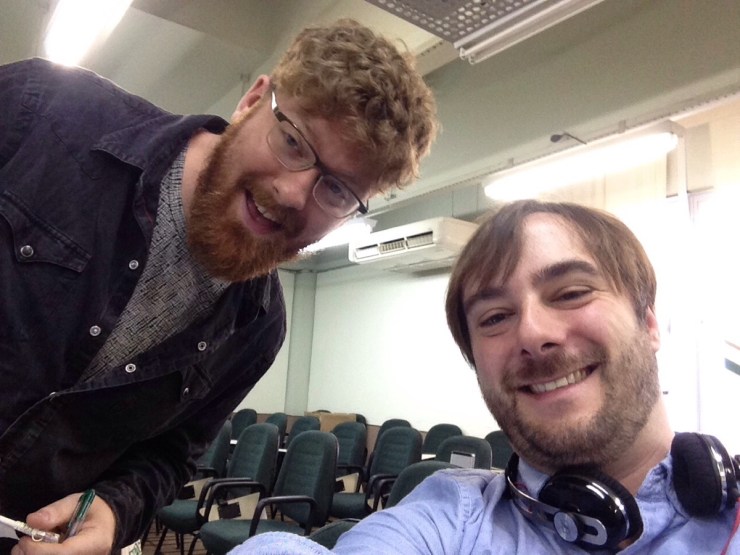
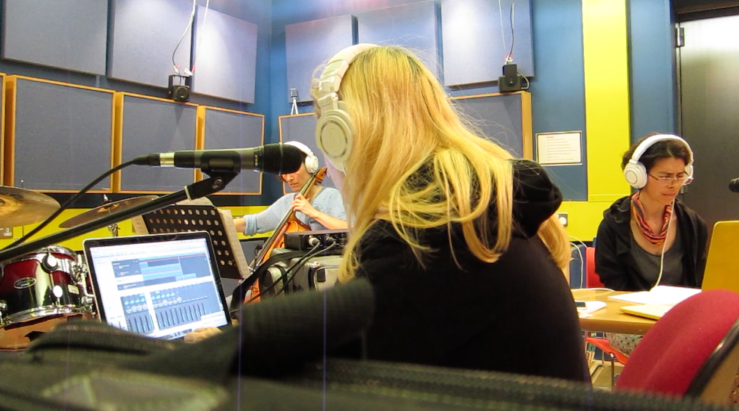 whilst in São Paulo, Mathieu and Thomas, diffused the performance into 8-channels, using a programming environment Thomas developed as part of his PhD research. For the first time ever, the audience participated in our performance using Twitter 🙂
This is what they said (in different languages!) …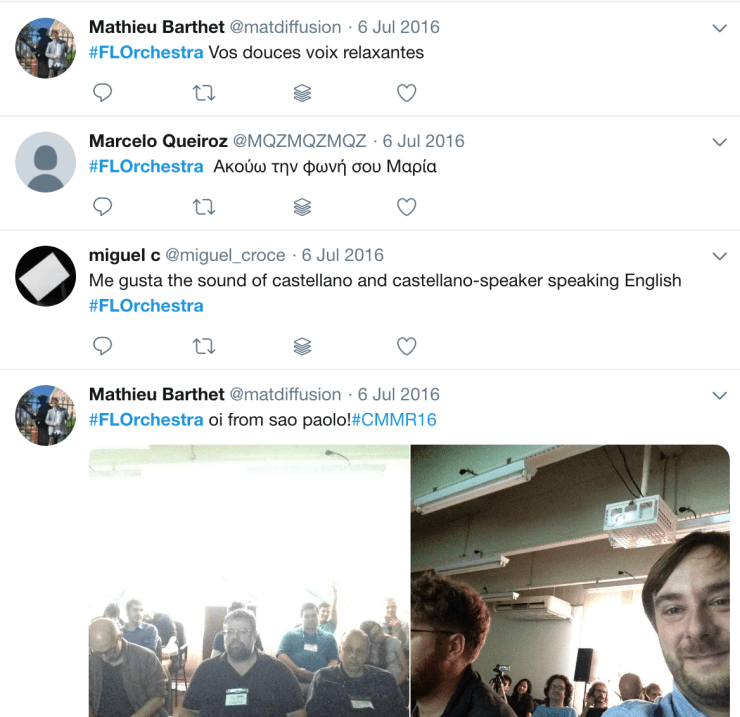
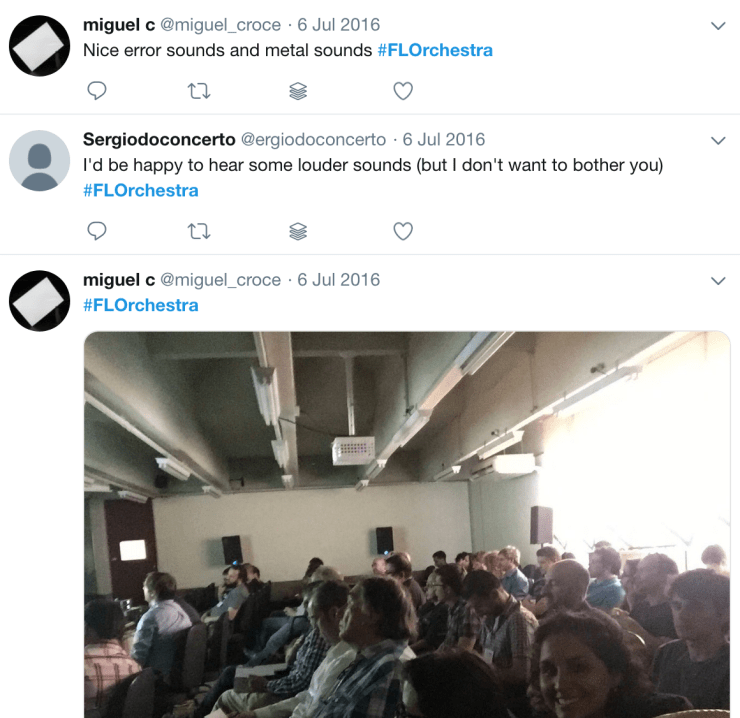
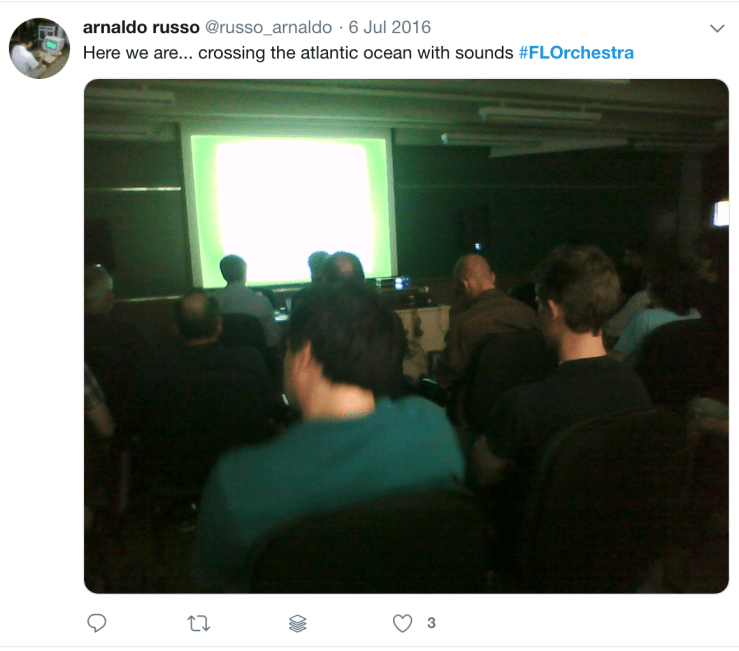
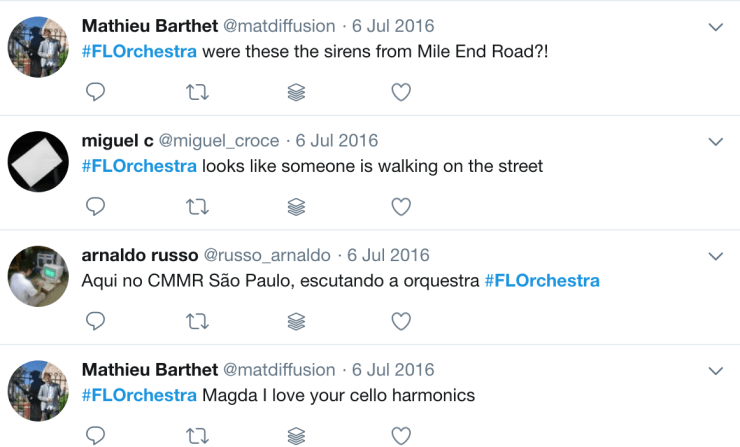
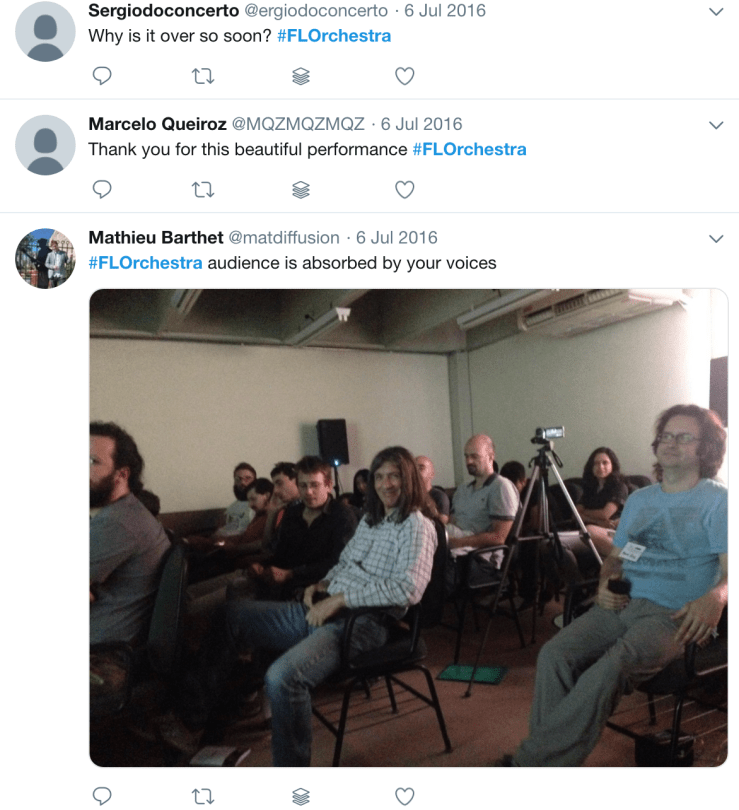 At the end of the performance, we joined CMMR2016 audience via Skype for a brief ‘post-performance’ Q&A!
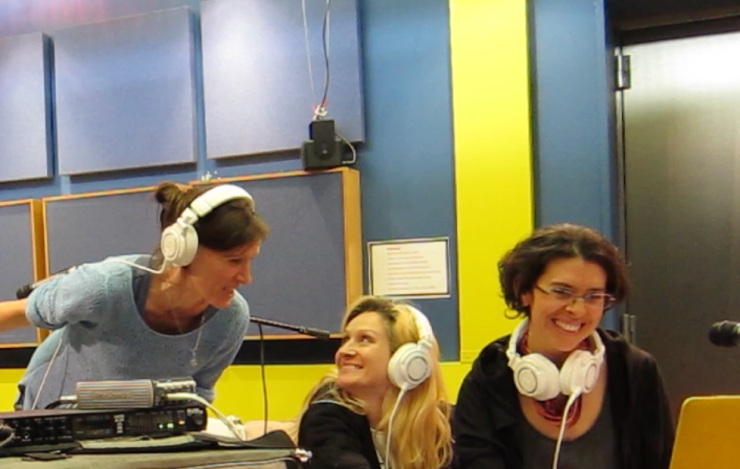 To think we managed to stream 8-channels of audio in real-time across the Atlantic was simply mind-boggling! The reaction we received from the audience based on their perception of our performance as a technological marvel, as well as a thought-provoking work of art, was JUST AMAZING!!!
A BIG THANK you to the following peeps and organisations who supported FLO performance of In Transglashphõnē at CMMR2016 in various ways:
- QMUL, London, UK – for letting us use their music studios for the performance (especially the fantastic Tom King and Tim Kay from the School of EECS IT team who helped with network ports testing)
- Giulio Moro from QMUL for being a superstar, helping us with the technical set-up at the music studios and brainstorming with us the best ways of delivering co-located parts of the performance 🙂
- Mathieu Barthet and Thomas Deacon from QMUL for being just awesome, helping us test the streaming and kindly diffusing the performance into 8-channels at São Paulo
- Bitwig Studio and Audio-Technica for supplying FLO with software and hardware
A BIG THANKS to EVERYONE who came to see the concert and who kindly tweeted their impressions! We are looking forward to exploring this way of connecting with our audiences in the future renditions of In Transglashphõnē!
REFERENCES:
1. Alarcon, Ximena: Networked Migrations: listening to and performing the in-between space. Liminalities: A Journal of Performance Studies 10(1) (2014)
2. Alarcon, Ximena: Telematic Embodiments: improvising via Internet in the context of migration. In: vs. Interpretation: An Anthology on Improvisation vol. 1, Rothenberg, D. (ed). Agosto Foundation, Prague (2015)
3. El Haouli, Janette: Demetrio Stratos: En Busca de Voz-Musica. Consejo Nacional para la Cultura y las Artes, Mexico DF (2006)
 FLO
FLO 
3 Replies to “FLO at CMMR2016”